Sand Dune Park Manhattan Beach: Dune Rules or Free Steps
September 10, 2026
September 10, 2026
Two people can show up at 33rd Street and Bell Avenue on the same Tuesday morning, both looking for a hard workout, and walk away with completely different experiences. One booked a slot two days ago, paid a small fee, checked in with an attendant, and showed ID before setting foot on the sand. The other just parked, walked past the fence, and started climbing a set of concrete stairs nobody asked to see a receipt for.
Both of them are standing in Sand Dune Park. Most people who've lived in Manhattan Beach for a while know this instinctively, but newcomers and out-of-towners tend to treat the whole three-acre lot as one thing: the famous sand hill you've seen on Instagram. It isn't. It's two separate systems sharing an address, one metered and one free, and knowing which is which changes how you actually use the place.
The 100-foot dune at the north end of the park is the reason Sand Dune Park has a reputation beyond the neighborhood. It's also the part the city has spent over a decade turning into a scheduling system, and the rules are more specific than most first-timers expect.
Most visitors 13 or older need a reservation to climb the dune itself. That reservation buys one hour, once per day, and the city holds you to it. You show up with a printed or digital confirmation, check in with the attendant on site, and present a valid ID. Miss your window and the slot doesn't just evaporate. It gets released.
A few details worth knowing before you plan around this:
None of this is a secret. It's posted, it's been posted for years, and it exists for a specific reason that has nothing to do with keeping people out for its own sake. What surprises people is how close the free option sits to all of it.
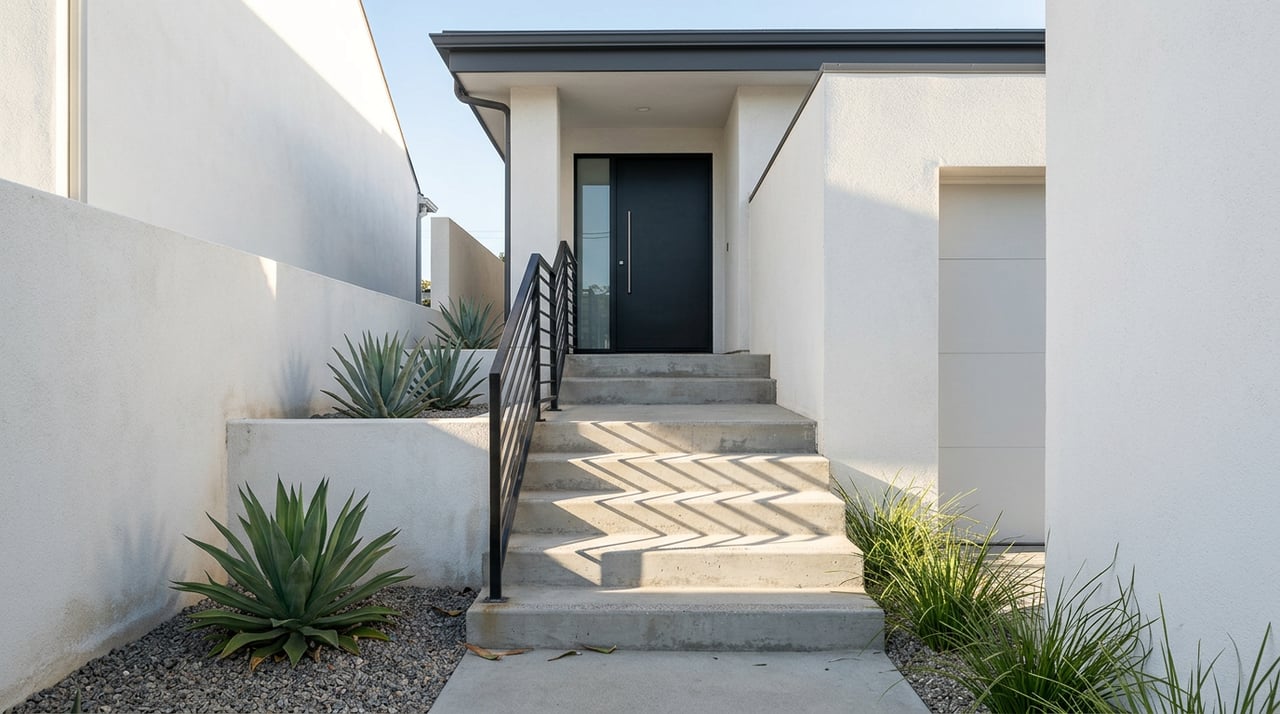
Right beside the fenced dune, there's a staircase of 208 steps cut into the hillside. No reservation. No fee. No ID check. You walk up, you walk down, and you leave whenever you feel like it.
The only formal restriction is a posted sign that says no jogging, which tells you something about how the city thinks about this stretch versus the dune itself. The sand gets scheduled because unmanaged crowds physically erode it and drove up maintenance costs. The stairs are concrete. They don't wash away, so nobody's built a booking system around them.
If your goal is a hard glute-and-lung workout and you don't care whether it happens on sand or steps, this is the move locals default to once they've done the dune a few times and realized the line isn't worth it on a Saturday. If you specifically want the sand, sure, book ahead. If you just want the burn, the stairs are sitting right there, free, all day, every day the park is open.
Sand Dune Park started in 1964, built on a converted dump site by residents who wanted something better than what was there. Local historian Jan Dennis has described the original space as barely more than a patch of grass and sand, tucked into a neighborhood of small beach cottages, back when much of the South Bay coastline still looked like this before development flattened most of it.
It stayed a low-key neighborhood spot for decades. Then social media happened, and the dune's popularity outgrew the block it sits on. By 2009, neighbors were formally pushing back over noise, traffic, and crowding, and the city moved to restrict access. The dune closed while the city worked out a fix, then reopened in August 2010 with the fencing, fees, and reservation system that still governs it today. That system was built to keep usage at a level the surrounding streets could absorb, not to make the workout harder to get.
If you've ever wondered why a public sand hill has an ID check and an hourly cap, that's the answer. It's a maintenance and neighborhood-load problem with a scheduling solution, not a velvet rope.
The dune pulls the attention, but the rest of the park has its own identity that has nothing to do with cardio.
Bob Shanman of Wild Birds Unlimited has documented at least 163 different bird species at Sand Dune Park, a number that puts it on the map for South Bay birders in a way that has nothing to do with fitness culture. Along the north edge, fencing protects a colony of Orcutt's yellow pincushion, a rare native flower that botanists confirmed growing there in the spring of 2010. It's easy to walk past both without ever knowing they're there, since most visitors are looking uphill at the sand instead of down at the ground cover along the perimeter.
Dogs are welcome on leash along the designated walking area east of the tot lot and on the cement walkways as posted, which makes the park a reasonable stop on a longer dog-walking loop through the Tree Section even if nobody in your household has any interest in climbing anything. The playground, picnic tables, and shaded pavilion round out a park that functions as a genuine neighborhood gathering spot on weekday afternoons, long after the morning workout crowd has cleared out.
If you're trying to get the most out of a morning at Sand Dune Park, the practical version of all this comes down to matching your goal to the right half of the park.
Want the sand specifically, maybe because you're training for something or you just like the instability of the incline? Book your hour online in advance and show up with ID. Want a hard climb without the scheduling hassle? Take the 208 steps and skip the line entirely. Bringing kids 12 and under? They can use the dune's play area without any reservation at all. Bringing a dog, or just looking for a slower walk through a part of Manhattan Beach that still has some of its original character? The paths, the picnic areas, and the bird life are there whether or not you ever touch the sand.
The park at 33rd and Bell has been serving this neighborhood since 1964, long enough to have earned both a national reputation for its workout and a quieter local one for everything the workout tends to overshadow. Knowing which half you're walking into is the difference between waiting for a slot and never having to.
For more on what makes daily life in Manhattan Beach worth paying attention to, from the parks locals actually use to the market moving around them, Gauss Real Estate Group keeps a close eye on the details that matter here. Let's start the conversation today.
This article is general information, not legal, tax or financial advice. Consult a qualified professional about your situation.
Stay up to date on the latest real estate trends.
Real estate is more than a transaction, it’s a journey. With a sharp eye for detail and a strategic approach, Alexandra Gauss ensures every move is smooth, smart, and successful. Let’s start the conversation today!