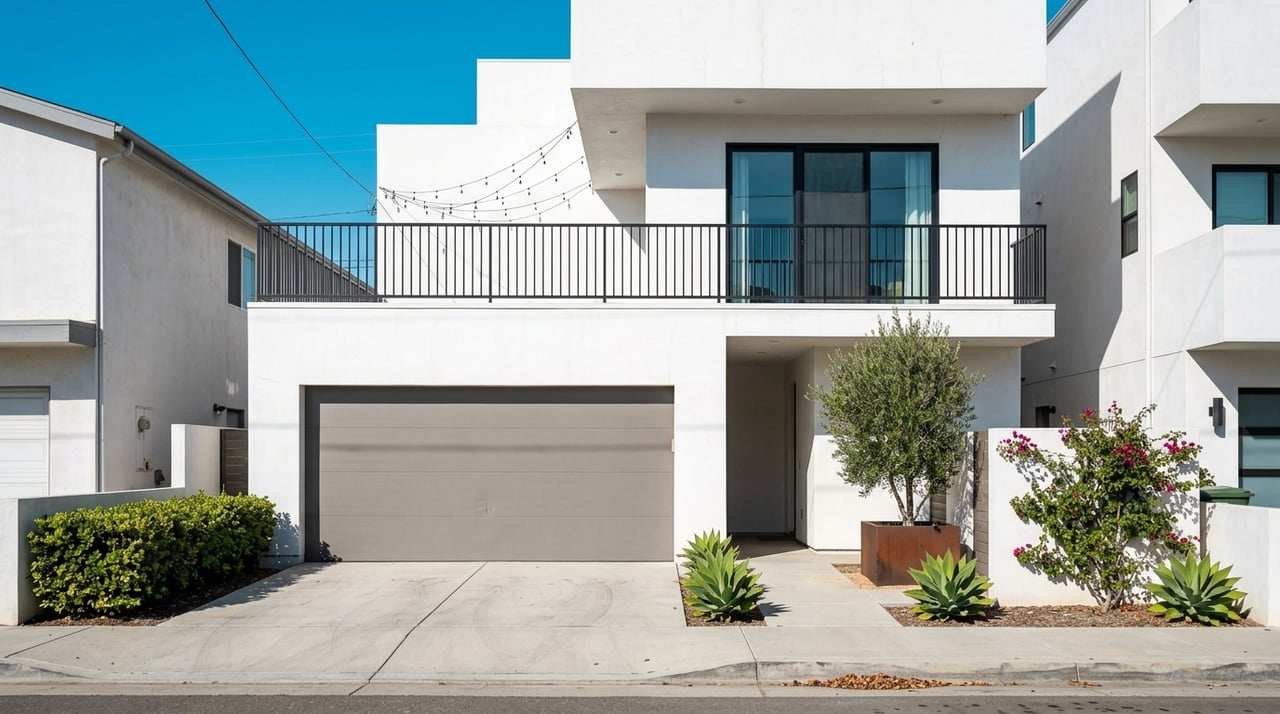
Everyday Coastal Living In Manhattan Beach
June 11, 2026
June 11, 2026
What does everyday life actually look like in a beach city that people talk about as a dream destination? If you are considering Manhattan Beach, you are probably trying to picture more than ocean views. You want to know how the city feels on a normal Tuesday, how you get around, where errands happen, and what the tradeoffs look like in real life. This guide walks you through the rhythm of everyday coastal living in Manhattan Beach so you can understand how the city works beyond the postcard. Let’s dive in.
Manhattan Beach is a compact coastal city with a distinctly local feel. The city reports that it sits 19 miles southwest of downtown Los Angeles, about 3 miles south of LAX, and covers roughly 4 square miles. It has 35,506 residents and 13,323 households, which helps explain why it often feels smaller and more connected than many nearby communities.
The coast is central to daily life here. Manhattan Beach has about 2.1 miles of beachfront, and Los Angeles County describes more than 2 miles of ocean frontage and 115 acres of sandy beach. The city also has a mild climate, with average annual rainfall of 13.6 inches and a mean temperature of 62.9°F.
One reason Manhattan Beach feels manageable is that daily routines tend to cluster around a handful of practical zones. The city highlights Downtown, North Manhattan Beach and El Porto, and Manhattan Village as the main lifestyle areas. Each one serves a different purpose in the flow of a normal week.
Downtown is the city’s social and commercial core. It is where shopping, dining, and services come together in a compact area close to the beach. If you like the idea of walking to coffee, dinner, or everyday stops, this part of the city often shapes that experience.
The city’s planning work also emphasizes pedestrian and cyclist facilities in Downtown while trying to preserve its small-town beach character. In practical terms, that means walking is not just possible here. It is often part of the routine.
North Manhattan Beach and El Porto have a more surf-oriented, laid-back feel in the city’s visitor materials. Along Highland Avenue, you will find coffee shops, cafes, pubs, restaurants, bars, accommodations, and services. That gives the area a true neighborhood commercial rhythm rather than a purely destination feel.
For many people, this part of Manhattan Beach represents coastal living at its most active. You are close to the beach, local businesses, and the kind of day-to-day movement that makes a neighborhood feel lived-in.
Manhattan Village adds another practical layer to everyday living. The city describes it as an open-air retail and dining area with free parking and EV charging. If your routine includes errands, quick shopping runs, or easy-access services, this area can play an important role.
That mix matters because coastal living is not only about scenery. It is also about whether daily tasks feel easy to handle.
In Manhattan Beach, the beach is not a special-occasion feature. It is part of how many people structure their time. Residents and visitors often build their day around walking, running, biking, skating, or skateboarding on The Strand, the city’s beachfront path.
Los Angeles County notes that Manhattan Beach offers year-round pier fishing, public parking, and activities such as surfing, swimming, volleyball, and windsurfing, with lifeguards during daylight hours. The city also points to the Volleyball Walk of Fame and the Roundhouse Aquarium at the end of the pier, which adds even more life to the shoreline.
In many beach communities, the waterfront feels separate from ordinary life. In Manhattan Beach, The Strand functions more like everyday infrastructure. It connects exercise, social activity, and movement along the coast in a way that becomes part of a normal schedule.
If you picture starting the morning with a walk or bike ride before work, or ending the day by the water, that is not an unusual idea here. It is one of the defining patterns of the city.
The beach gets the attention, but parks and public facilities also shape local routines. Polliwog Park is the city’s largest park at 18 acres and includes a botanical garden and dog run. During the summer, the city hosts Concerts in the Park there on Sundays.
Begg Pool supports year-round swimming programs, including lessons, lap swimming, water aerobics, and swim teams. That gives residents another regular-use recreational option beyond the sand and shoreline.
Because Manhattan Beach is compact, local mobility often involves a mix of walking, biking, driving, and transit connections. The right fit for you depends on how you like to move through your day and how often you travel beyond the city.
Walking is a real part of the lifestyle, especially in and around Downtown. The city also lists 87 bicycle parking locations, which supports a bike-friendly everyday routine. If you value being able to leave the car parked for parts of the day, Manhattan Beach offers that in certain areas more than many people expect.
That said, ease of movement can vary depending on where you live and where you need to go. Some routines will feel highly walkable, while others may still rely on driving.
Beach Cities Transit links Manhattan Beach with Redondo Beach, Hermosa Beach, and El Segundo, and the city says it connects with Metro Bus and Rail. Line 109 is especially useful for everyday destinations because it serves Downtown Manhattan Beach, Manhattan Beach Pier, Manhattan Village Mall, El Segundo, Plaza El Segundo, and the LAX City Bus Center. Line 102 serves the Redondo Beach Pier and other South Bay destinations.
For regional rail access, Metro’s current system includes the C Line to LAX/Metro Transit Center and the K Line to Redondo Beach. For many residents, that means transit can support regional connections, even if local daily life still leans more on buses, walking, biking, and driving.
The city also offers Dial-A-Ride, a curb-to-curb service for residents who are 55+ or disabled. Service is available within Manhattan Beach and to most medical facilities in Torrance, Redondo Beach, and Hermosa Beach on designated days. For households planning around accessibility or aging in place, that can be an important part of the overall picture.
A big part of feeling at home in any city is knowing where everyday life happens. In Manhattan Beach, that includes dining, weekly errands, and civic spaces that support a sense of routine.
Downtown remains the main hub for shopping, dining, and services. The city describes it as vibrant and charming, with options ranging from seafood shacks and gastropubs to fine dining and shopping close to the beach. North Manhattan Beach adds another neighborhood-serving commercial strip, while Manhattan Village offers a different errand and retail experience.
The city’s Earth Month page lists the Manhattan Beach Farmers Market every Tuesday from 11:00 AM to 3:00 PM. The Manhattan Beach Library at 1320 Highland Avenue is open seven days a week and includes study rooms, meeting rooms, and a 21,500-square-foot facility. Those details matter because they show that local life here is not only leisure-focused. It also has stable, useful civic anchors.
For many residents, the rhythm of Manhattan Beach also follows school-year routines. MBUSD lists Mira Costa High School, Manhattan Beach Middle School, five elementary schools, and preschool. That means school calendars, drop-offs, after-school activities, and community events can be a visible part of the city’s weekly flow.
That does not define every household’s experience, but it does shape the timing and movement of daily life for many people in the city.
Every lifestyle choice comes with tradeoffs, and Manhattan Beach is no exception. The biggest tradeoffs here are practical rather than abstract. Strong outdoor access, a compact layout, and active community life can also bring parking pressure and event-day congestion.
The city notes that parking can be difficult around Concerts in the Park. Event pages for major volleyball tournaments also warn about street and parking-lot closures near the pier. The city further notes that parking meters are always in effect unless otherwise posted, which is an important detail if you plan to spend a lot of time near beach and downtown areas.
For many buyers, these are manageable tradeoffs. Still, it helps to understand them clearly before you decide what kind of location, access pattern, and property type best fit your day-to-day life.
Manhattan Beach often works well for people who want a coastal setting that still feels structured and practical. If you value outdoor access, a compact city footprint, recognizable neighborhood hubs, and the ability to build routines around the beach, parks, dining, and local services, the city offers a strong match.
It can also appeal if you want proximity to LAX and connections to the broader South Bay. At the same time, the fit may depend on your tolerance for parking constraints, event traffic, and a local transit pattern that is more bus-connected than rail-centered for everyday use.
If you are evaluating homes, rentals, or investment opportunities here, understanding those everyday patterns can help you make a smarter decision. Lifestyle value in Manhattan Beach is often tied as much to micro-location and routine convenience as it is to the property itself.
If you are exploring Manhattan Beach and want guidance rooted in real neighborhood knowledge, Gauss Real Estate Group (Alex Gauss) offers a high-touch, consultative approach to buying, selling, rentals, and investment property across the South Bay. Let’s start the conversation today.
Stay up to date on the latest real estate trends.
Real estate is more than a transaction, it’s a journey. With a sharp eye for detail and a strategic approach, Alexandra Gauss ensures every move is smooth, smart, and successful. Let’s start the conversation today!