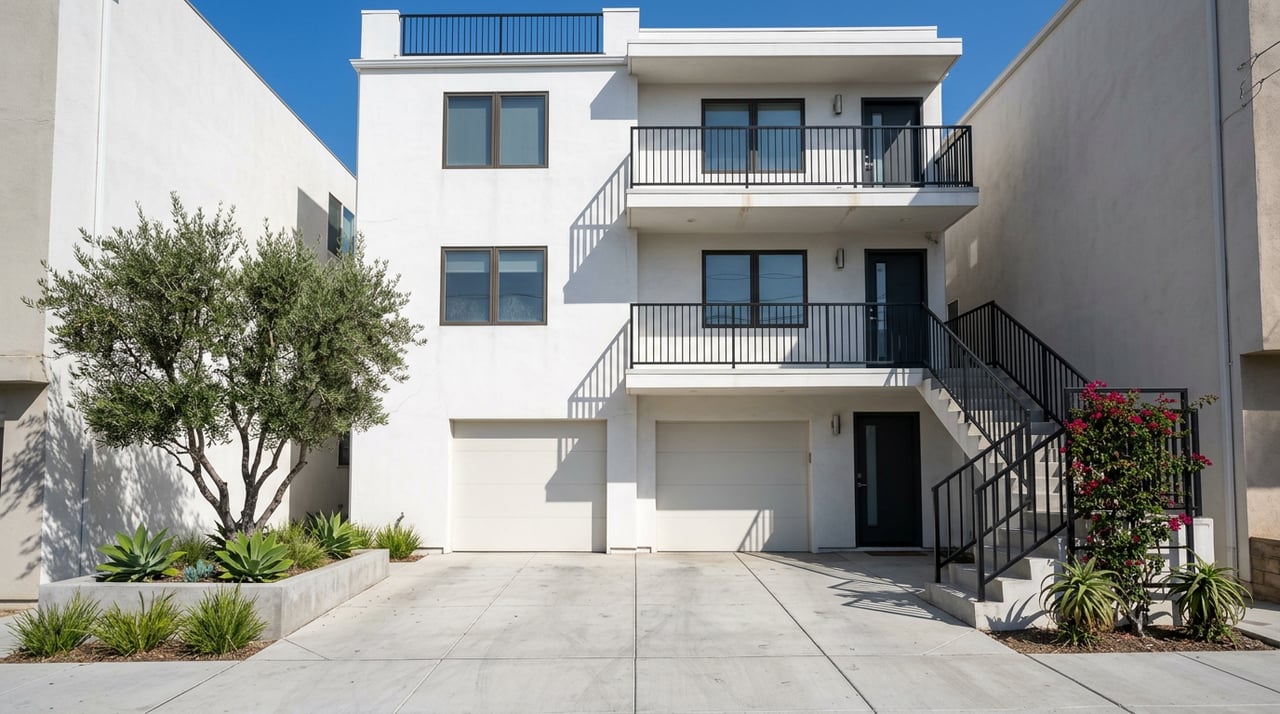
Manhattan Beach Duplex Investment and Triplex Strategy
March 24, 2026
March 24, 2026
Thinking about buying a duplex or triplex in Manhattan Beach? In a city where land is scarce and coastal rules shape every project, the right small multifamily can deliver steady income and long‑term equity. In this guide, you will learn how pricing, rents, zoning, permits, and financing actually work here, plus the steps to vet a deal with confidence. Let’s dive in.
Manhattan Beach is a built‑out, high‑cost coastal city with very limited room for new housing. The City’s 6th‑cycle Housing Element shows the supply constraint and a 2021–2029 RHNA allocation of 774 units, with overlay and zoning adjustments used to help meet targets. You can review the City’s housing strategy to see how scarcity drives value in existing stock by reading the Housing Element overview on the City’s website.
Because inventory is thin, small multifamily trades infrequently. That means per‑block comparables matter more than citywide medians. Expect pricing and rents to vary widely between ocean‑proximate Sand Section addresses and more inland locations.
Review the City’s Housing Element context for supply constraints
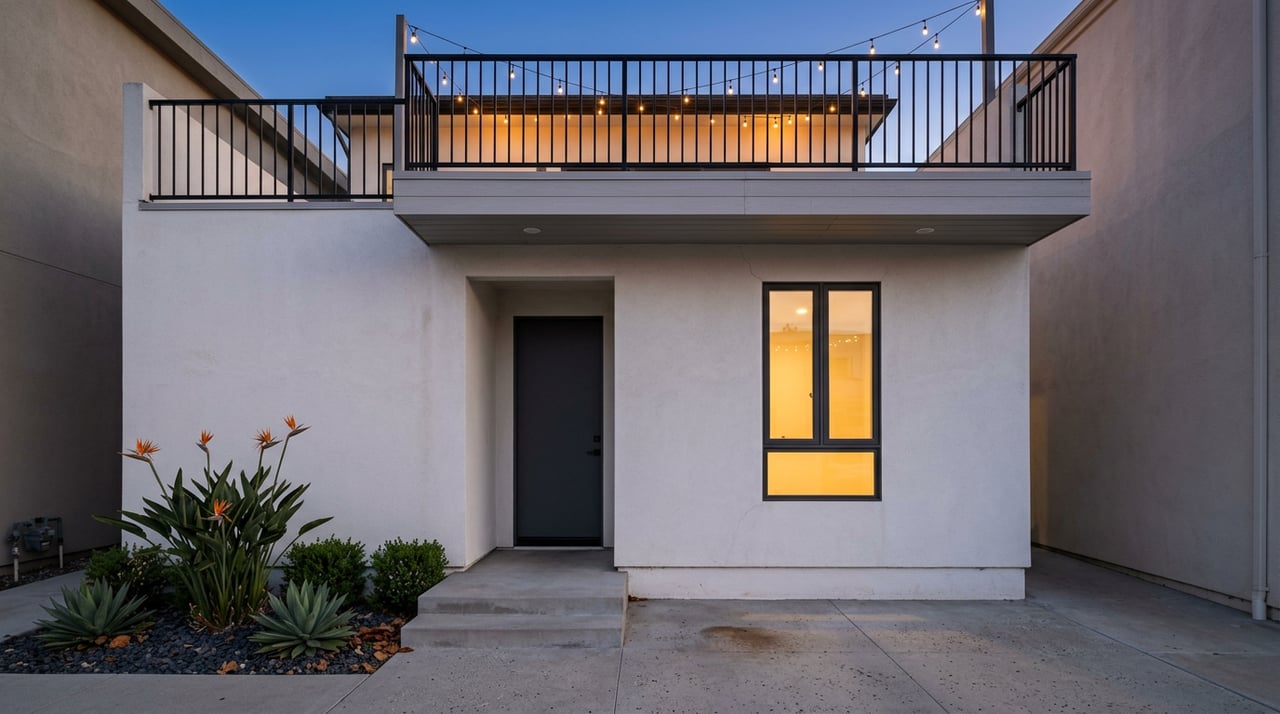
You will typically see three building types:
A meaningful share of buildings are mid‑century. That age profile often means older roofs, plumbing, electrical service, and non‑compliant stairs or railings. If you want a value‑add play, focus on mechanicals, kitchens, baths, and safety items first.
Rents in Manhattan Beach sit well above the LA metro average. For example, Zumper’s recent city snapshot shows a citywide median in the mid‑$5,000 range across property sizes, with one‑bed and two‑bed medians lower yet still premium to most of LA. Always cross‑check listing‑level rents and micro‑location premiums when you underwrite.
Turnover tends to vary by unit size and proximity to the beach. Many owners use standard 12‑month leases. If you plan any short‑term strategies, confirm local rules and Coastal Zone restrictions before you assume seasonal revenue.
Check the latest Manhattan Beach rent snapshot on Zumper
California’s Tenant Protection Act (AB 1482) limits annual rent increases for many units. The cap is generally 5 percent plus CPI, up to 10 percent in any 12‑month period, with specific exemptions for some newer buildings and certain owner‑occupied two‑unit situations. You should confirm whether a property is covered or exempt and follow notice requirements if you rely on an exemption.
Read the California DOJ’s plain‑language AB 1482 summary
Short‑term rental rules in coastal cities can be complex. A California appellate decision involving Manhattan Beach held that a broad coastal STR ban could not be enforced without California Coastal Commission approval. If you are considering any STR use, verify the City’s Local Coastal Program status and enforcement history before you model nightly rates.
See the Keen v. Manhattan Beach appellate decision summary
Much of Manhattan Beach lies inside the Coastal Zone. The City’s certified Local Coastal Program sets the standards for development, and some projects require a Coastal Development Permit. Significant alterations, lot divisions, or any work that affects public access or intensity of use may be appealable to the California Coastal Commission.
Review Manhattan Beach coastal permit procedures
Confirm zoning and mapped standards in the City’s planning documents
SB9 enables ministerial two‑unit projects or qualifying lot splits on eligible single‑family parcels, subject to objective local standards and specific exclusions. In coastal areas, projects may face added LCP review or limits. Do not assume SB9 is a quick path here. Validate parcel eligibility, any hazard or historic exclusions, and Coastal Zone implications with planning staff at the pre‑application stage.
Get an overview of SB9 eligibility and standards
Across the LA metro, recent surveys have shown average multifamily cap rates in roughly the 4.5 to 6 percent range, with tighter yields for scarce coastal assets. Manhattan Beach often trades toward the tighter end because of supply constraints and buyer competition. For any given duplex or triplex, rely on street‑level sold comps and realistic net operating income rather than metro averages.
Review recent national and metro multifamily trends
If you plan to live in one unit, you may qualify for conventional or FHA financing on 2 to 4 unit properties, with program‑specific down payments and underwriting. Non‑owner‑occupied loans often require larger down payments or investor and DSCR products. Work with a local lender to confirm current overlays, reserves, and treatment of projected rental income.
See a plain‑English guide to owner‑occupied 2–4 unit financing
In a high‑price, low‑inventory market, value‑creation timelines are often measured in years, not months. Short flips are risky due to permit timelines and small‑asset illiquidity.
Start with the City’s zoning and coastal procedures
Check AB 1482 coverage and notices
Review SB9 objective standards and exclusions
You get more than listings when you work with us. You get a boutique, high‑touch process that blends neighborhood expertise with legal‑grade transaction support. We help you source, value, and structure Manhattan Beach duplex and triplex acquisitions, from curated on‑ and off‑market opportunities to rental placements and investor‑focused marketing when you are ready to exit.
Our team knows how to navigate coastal permitting, rental compliance, and complex negotiations so you can move decisively. If you want a clear, data‑driven plan for your next small multifamily purchase, connect with Gauss Real Estate Group (Alex Gauss). Let’s start the conversation today.
Stay up to date on the latest real estate trends.
Real estate is more than a transaction, it’s a journey. With a sharp eye for detail and a strategic approach, Alexandra Gauss ensures every move is smooth, smart, and successful. Let’s start the conversation today!