Manhattan Beach Home Styles and Architecture Guide
February 19, 2026
February 19, 2026
If you have toured a few blocks in Manhattan Beach and wondered why one street feels sleek and modern while the next feels like a storybook cottage, you are not alone. The city’s Sand, Tree, and Hill sections each shape what gets built, how homes live, and how they hold value. In this guide, you will learn how to recognize the main architectural styles, how each functions day to day, and what to watch for in a coastal setting. Let’s dive in.
Manhattan Beach is often grouped into three sections, and that simple framework helps you better predict what you will see. The Sand Section concentrates Strand and walkstreet properties along the ocean, with many multi-level contemporary builds that capture views. The Tree Section offers a mix of original bungalows, Craftsman, mid-century homes, and thoughtful remodels on tree-lined blocks. The Hill Section features larger lots and elevated addresses where view potential and estate-scale homes are more common.
Local development rules also shape what you experience curbside. Manhattan Beach’s municipal code sets lot coverage, setbacks, and maximum structure heights, with typical maximums of 26 feet or 30 feet depending on area district and other rules. Those standards influence whether a home reads as a tall, narrow “beach house” or a lower, wider residence. For any property you are evaluating, check the exact zoning and permitted envelope in the city’s municipal code.
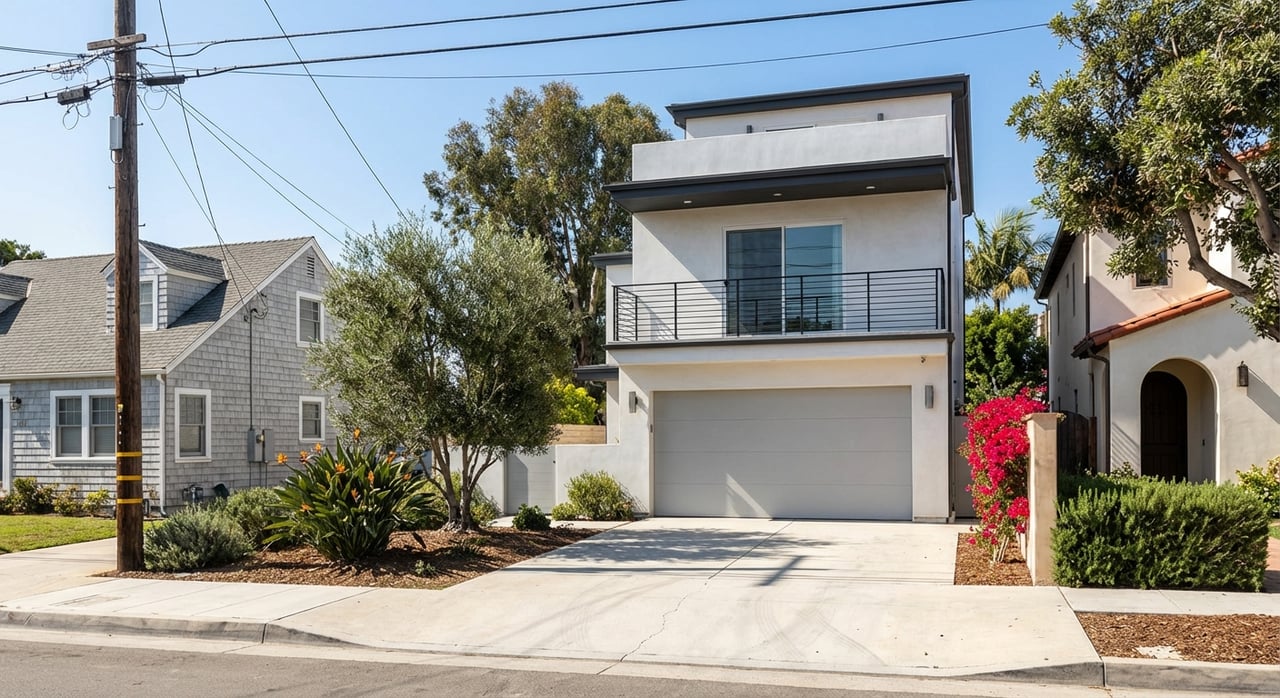
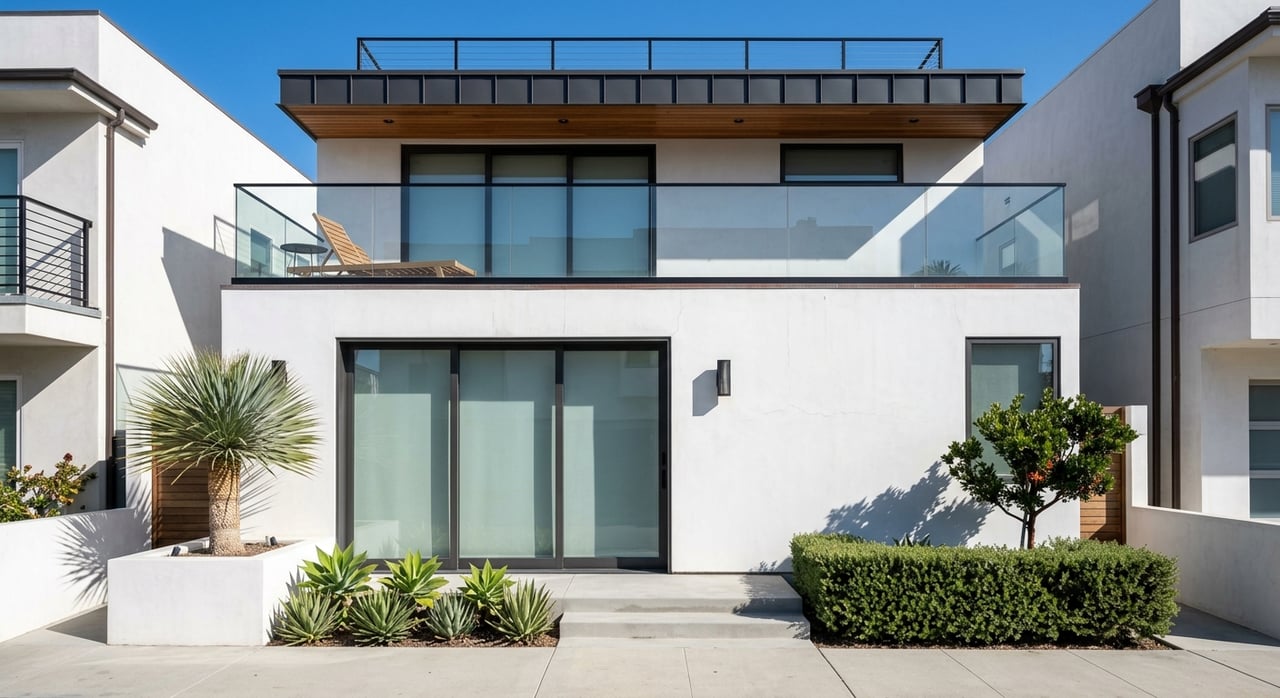
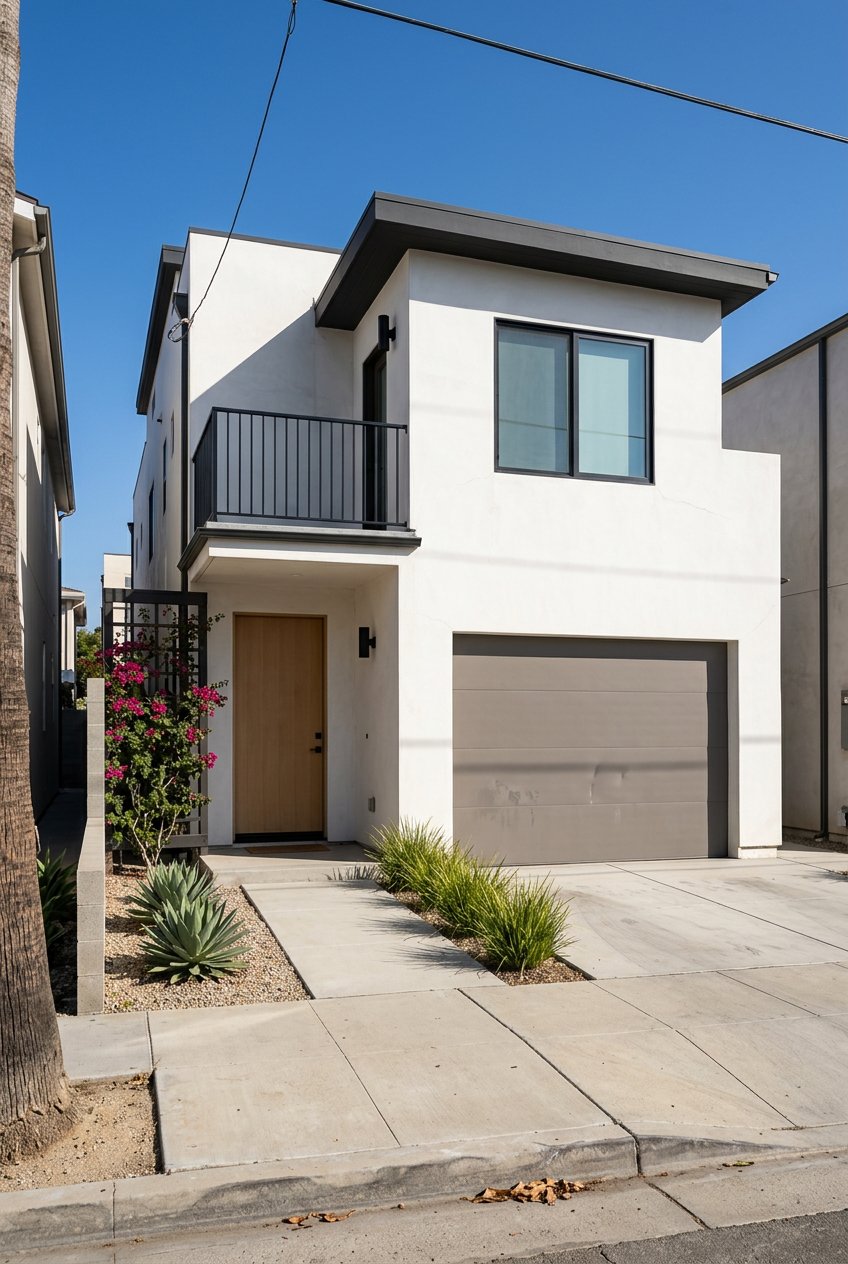
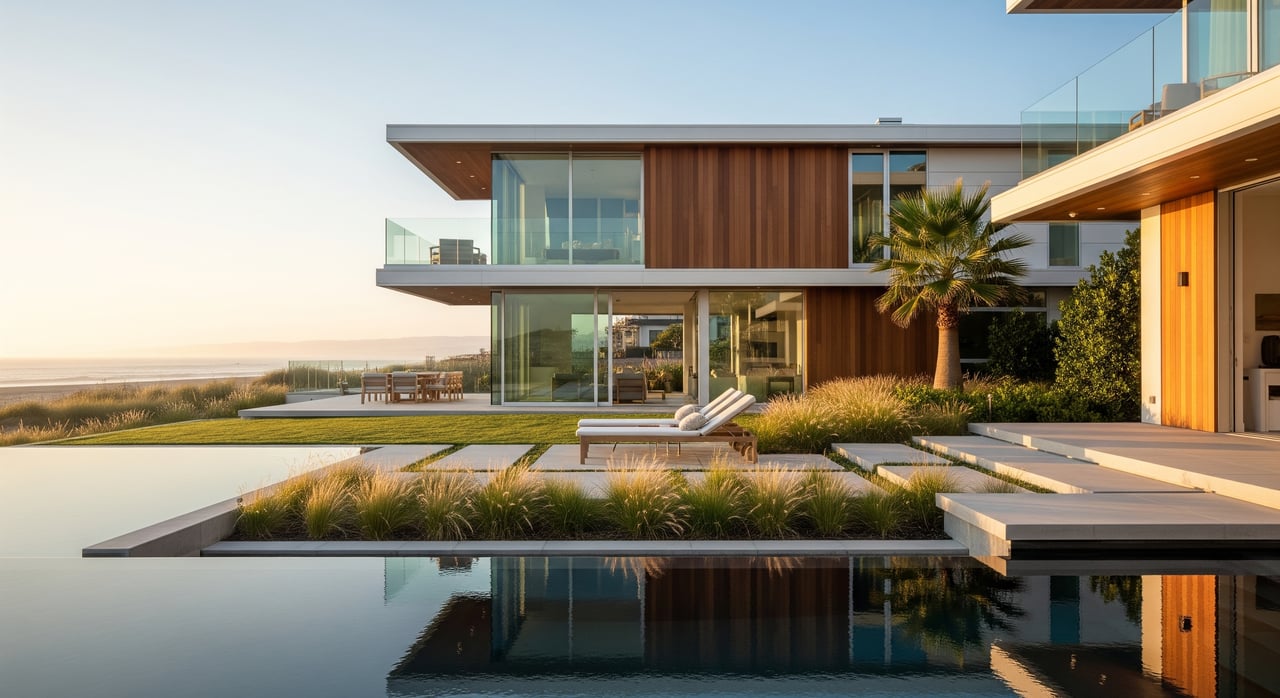
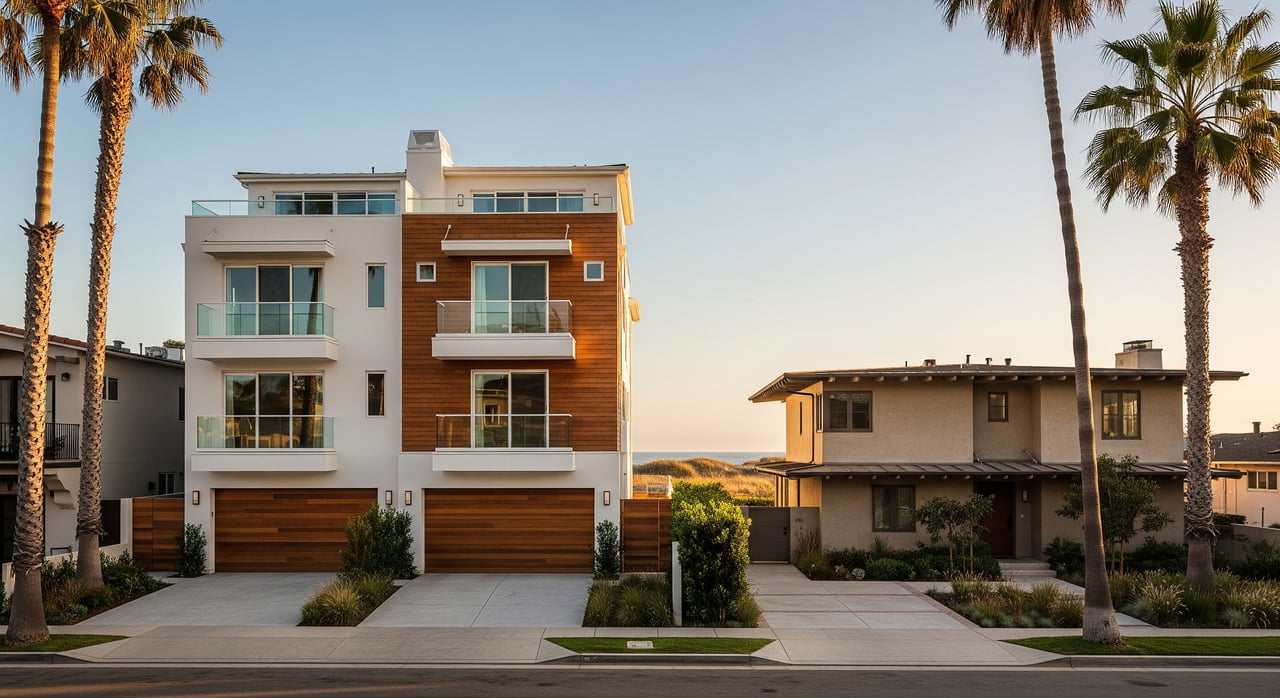
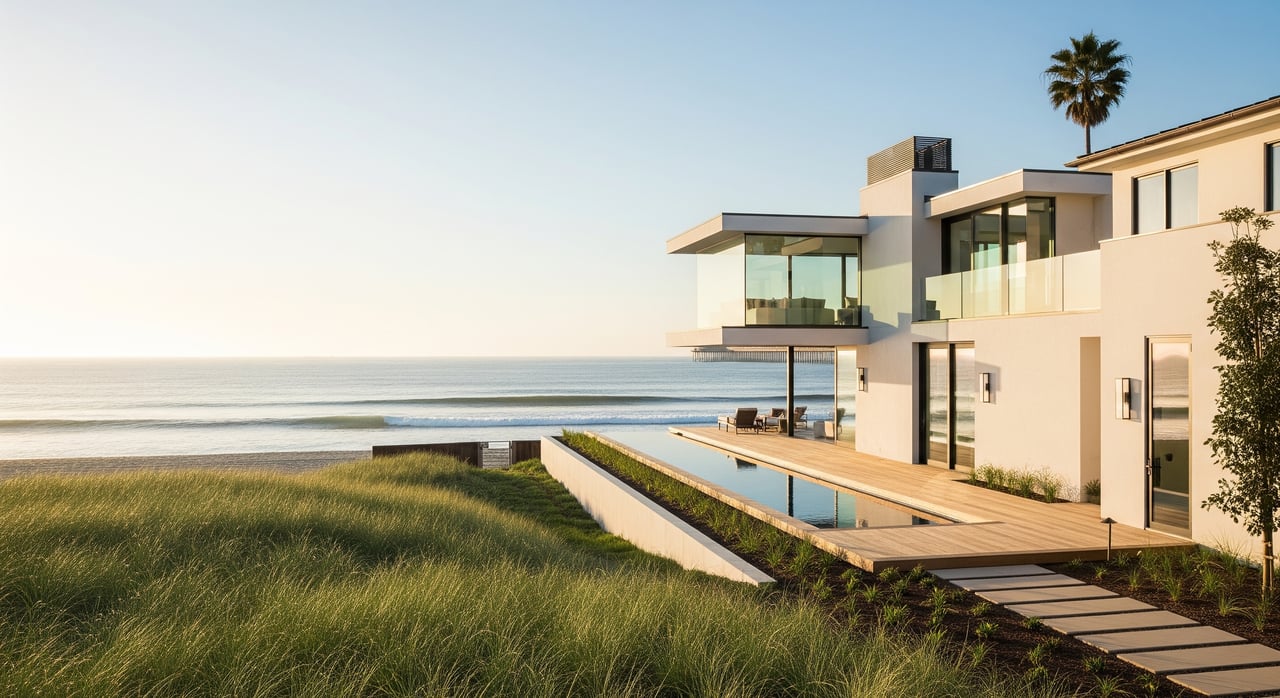
You will recognize coastal contemporary or beach-modern homes by their clean geometry, large expanses of glass, mixed cladding like smooth stucco with wood accents, and slim metal railings. Many add dramatic roof decks and stack terraces to maximize ocean exposure. This look has surged across South Bay beach cities, and you will see standout examples along the Strand and nearby blocks, as documented by local coverage of notable South Bay architecture.
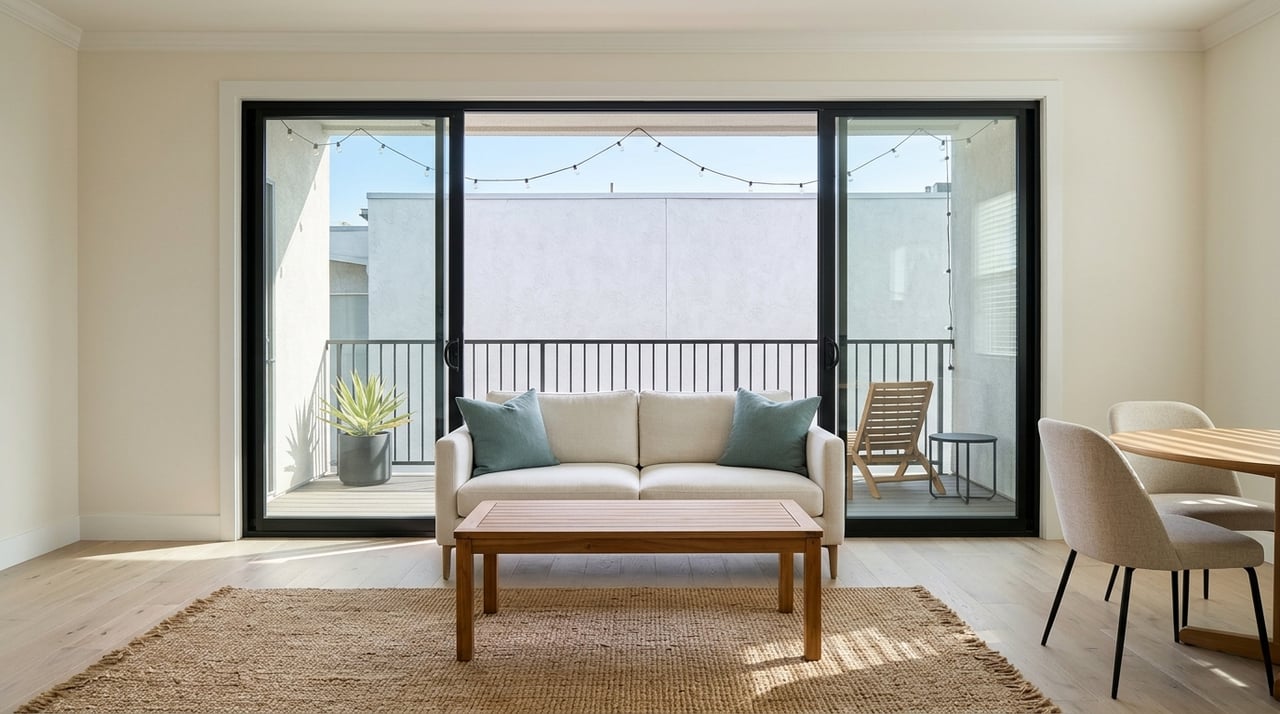
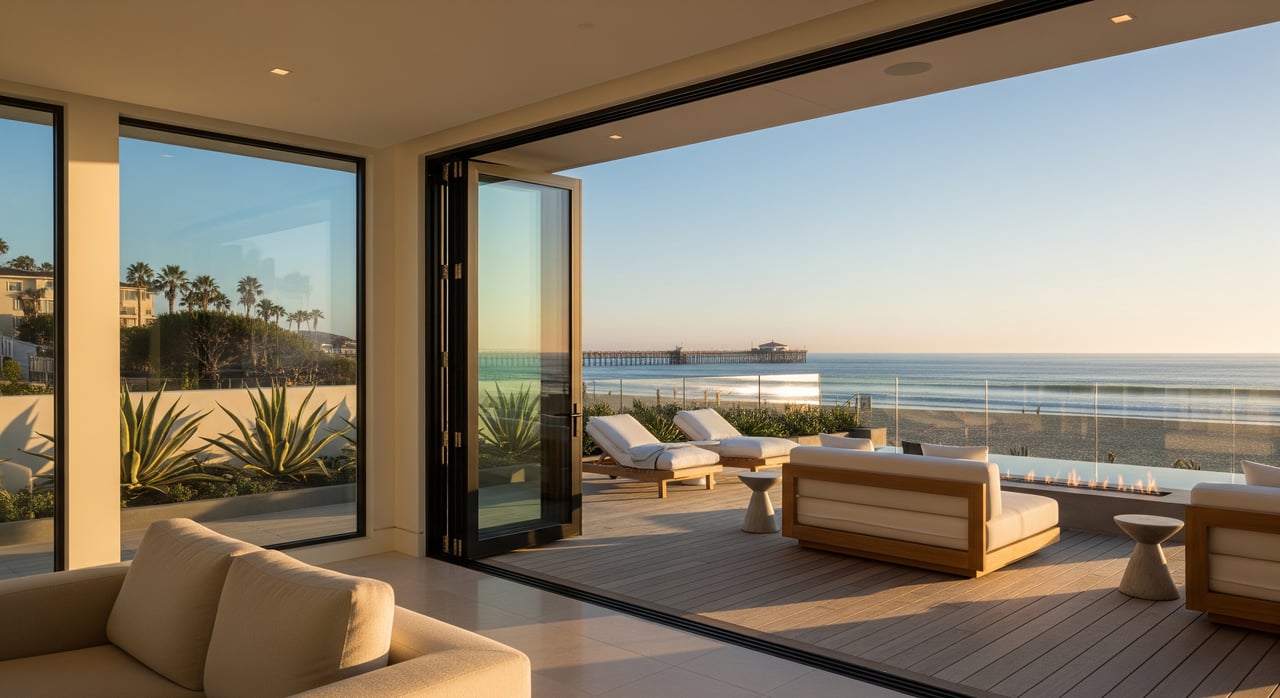
These homes are designed for light and indoor-outdoor flow. A common “reverse” plan puts kitchen, dining, and living up high to chase views, sometimes with a roof deck as a bonus outdoor room. Oversized sliders and pocketing glass blur the line between inside and out, which is ideal when the ocean is the focal point.
On narrow or oceanfront lots, this style makes the most of height and view corridors. The trade-off is maintenance in a marine environment. Salt air can accelerate corrosion at metal connectors and hardware, so it helps to confirm coastal-grade fasteners and details were used, following guidance like FEMA’s Coastal Construction Manual overview.
Classic beach cottages and Cape Cod or shingle-style homes deliver the nostalgic Manhattan Beach look. Expect smaller scale, steep or side-gabled roofs, dormers, and cedar shingles or clapboard. For quick visual cues and origins, see this overview of Cape Cod architecture.
These homes typically live cozy and compact. Many lots started as seasonal cottages and were upgraded over time with modern kitchens and baths. Windows tend to be smaller than in modern builds, so natural light can feel more intimate, but porches and small patios create charming outdoor nooks. Local advocates have highlighted surviving historic cottages and the value of preserving authentic character in pieces on Manhattan Beach’s architectural history and preservation.
Spanish and Mediterranean styles appear in early 20th-century neighborhoods and in later revival-era builds. Look for smooth stucco, red clay tile roofs, arched openings, wrought-iron accents, and recessed loggias. The style is part of the broader Southern California tradition, discussed in this National Academies resource on historic architectural patterns.
These homes often favor inward-facing courtyards and sheltered patios. That layout can make outdoor space more usable on breezy days, and it offers privacy without sacrificing natural light. Many have been remodeled to open the kitchen and living areas while maintaining classic stucco-and-tile character.
Mid-century modern and post-war modern homes feature low or flat roofs, strong horizontal lines, post-and-beam details, and clerestory windows. Interiors emphasize open plans with generous glass tied to patios or small yards. For a concise visual guide, see this introduction to mid-century modern design.
These homes tend to live comfortably on a single story or split level. Clerestories and atria can pull soft, diffuse light deep into the plan, which helps even on narrower lots. Many buyers appreciate the simplicity of materials and the indoor-outdoor connection.
Craftsman bungalows and related early 20th-century types are recognizable by low-pitched gables, wide eaves with exposed rafters, and welcoming porches with tapered posts. Interiors often include built-ins and woodwork that define dining nooks and living areas. For broader context, explore this Craftsman style buyer’s guide.
They live friendly and functional. Porches encourage neighborly interaction, and the compact footprint suits everyday living. Many have been sensitively modernized over time, while others were replaced by larger builds, especially on high-demand blocks.
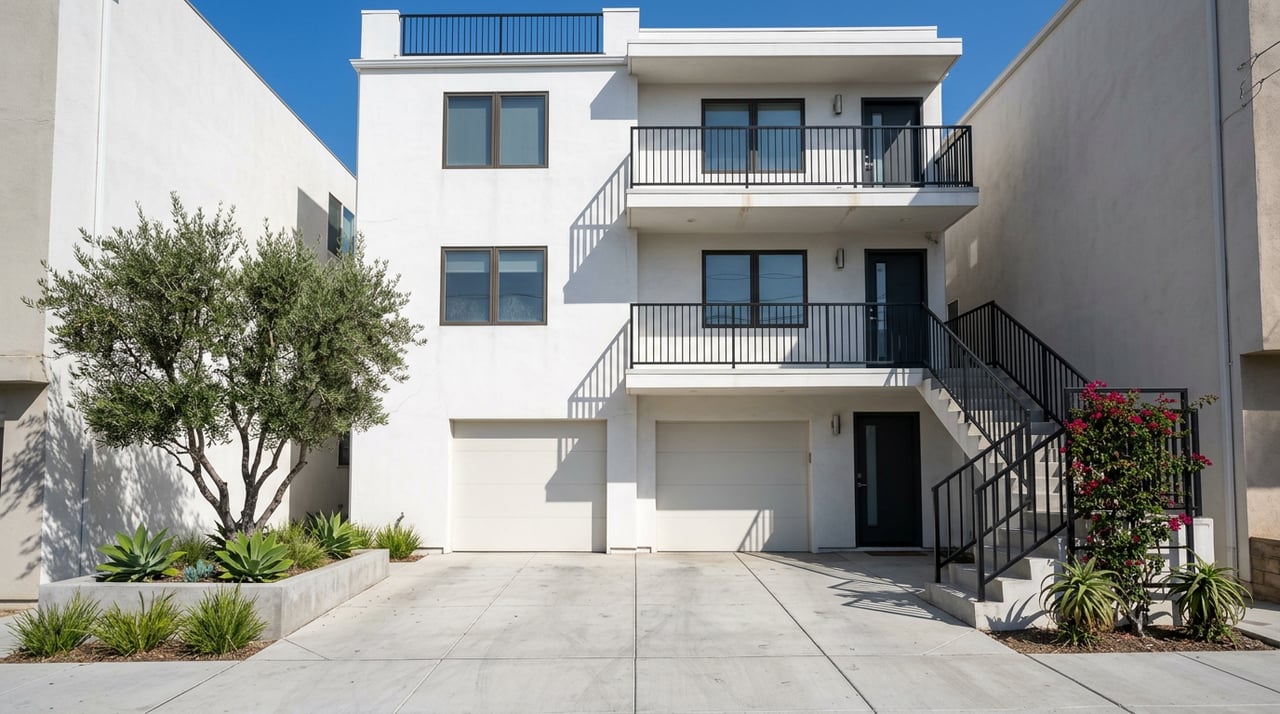
Walkstreet and Strand lots are a Manhattan Beach signature. Walkstreets are pedestrian-only lanes that lead to the sand, so entries often face the walkway rather than the street. Strand homes face the ocean directly and stack multiple levels, terraces, and roof decks to maximize views. You can see examples and local discussion in this gallery of South Bay architecture.
The result is a unique rhythm of frontages and outdoor rooms. On walkstreets you will feel a close connection to pedestrian life. On the Strand, glass, balconies, and carefully detailed railings frame whitewater views and sunsets.
Style influences how light and circulation work in a home. Coastal contemporary and modern homes lean open plan, with large glass and reverse layouts that put living spaces on upper levels. You will often see engineered glazing and tall sliders that optimize views, a trend covered in local features on modern South Bay homes.
Spanish, early cottages, and many Craftsman homes were originally more compartmentalized. Openings can be smaller than in later builds, which affects daylighting, although many remodels have opened kitchens and living spaces while preserving exterior character. Courtyards and enclosed patios help bring outdoor life into the plan, consistent with the historic Spanish approach to sheltered outdoor rooms.
Mid-century homes solve light differently. Clerestory windows and atria spread soft light into deeper spaces and support cross-ventilation, a hallmark of mid-century modern design.
Rooftop decks are common in Manhattan Beach because they add usable outdoor area without expanding the footprint. That said, decks above certain heights trigger setback and measurement rules. If a roof deck matters to you, review the permit history and applicable standards in the municipal code.
Courtyards and enclosed patios, typical of Spanish and some cottage layouts, create microclimates that can be more comfortable on windy days. They make outdoor dining and lounging feel private and protected, a trait supported by historic design references.
Salt air is hard on homes. Coastal spray accelerates corrosion in metal connectors and fasteners, and it can reduce the life of some finishes. Ask whether renovations specified stainless steel or high-galvanized connectors and coastal flashing details aligned with FEMA’s coastal construction guidance.
If you are close to the sand, evaluate flood and coastal hazard exposure as part of due diligence. California agencies recommend considering sea level rise in coastal projects. You can review state-level guidance on coastal hazards and sea level rise and check a specific address in the FEMA Map Service Center’s flood zone search.
Older homes may also benefit from seismic and structural updates. Ask about bolting, shear walls, and any retrofits under current code. FEMA provides accessible primers on residential retrofit measures.
Across Manhattan Beach, location and views tend to drive pricing more than style alone. Sand and Strand properties with immediate beach access and dramatic views often command the highest prices per square foot. Interior Tree and Hill addresses show a wider mix of scales and styles, so block-by-block context and lot characteristics are key.
Market trackers reinforce the city’s premium status. Recent aggregators reported a median sale price in the low to mid 3 million range, with figures around 3.07 to 3.325 million spanning late 2025 through January 2026 from sources such as Zillow, MB Confidential, and Redfin. Use these ranges as context only, and always compare at the neighborhood or micro-location level.
Authentic cottages can sell for less than new coastal moderns on the same block, but a well-executed restoration or sensitive remodel can outperform an awkward rebuild in areas that value scale and character. If you suspect a home has historic significance, note that Manhattan Beach has a local Historic Preservation Ordinance and a selective Mills Act program. City materials outline procedures and recent activity, and you can review a sample action item in the city’s legislative record.
Start with how you want to live. If you care most about views and seamless indoor-outdoor flow, a coastal contemporary near the water or a Strand-adjacent walkstreet home might fit best. If you want a neighborly porch culture and love period details, a Craftsman or cottage in the Tree Section may feel right. For simplified layouts and strong light, seek mid-century options or thoughtful contemporary remodels on elevated lots.
Ready to match style, lot, and budget to a short list worth touring? Reach out to the team that combines local market authority with legal-grade transaction expertise. Gauss Real Estate Group (Alex Gauss) can help you evaluate options, identify off-market opportunities, and navigate a clean, confident purchase. Let’s start the conversation today.
Stay up to date on the latest real estate trends.
Real estate is more than a transaction, it’s a journey. With a sharp eye for detail and a strategic approach, Alexandra Gauss ensures every move is smooth, smart, and successful. Let’s start the conversation today!