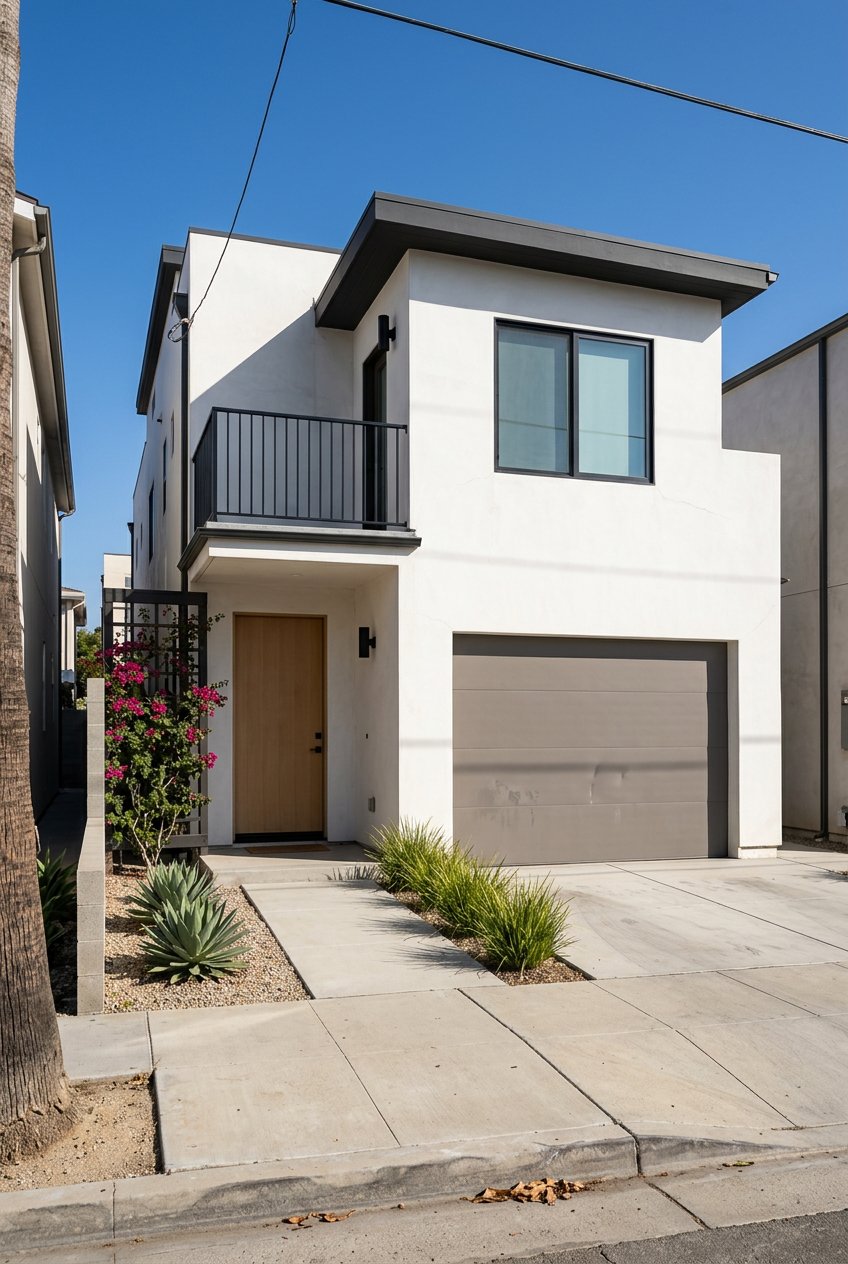
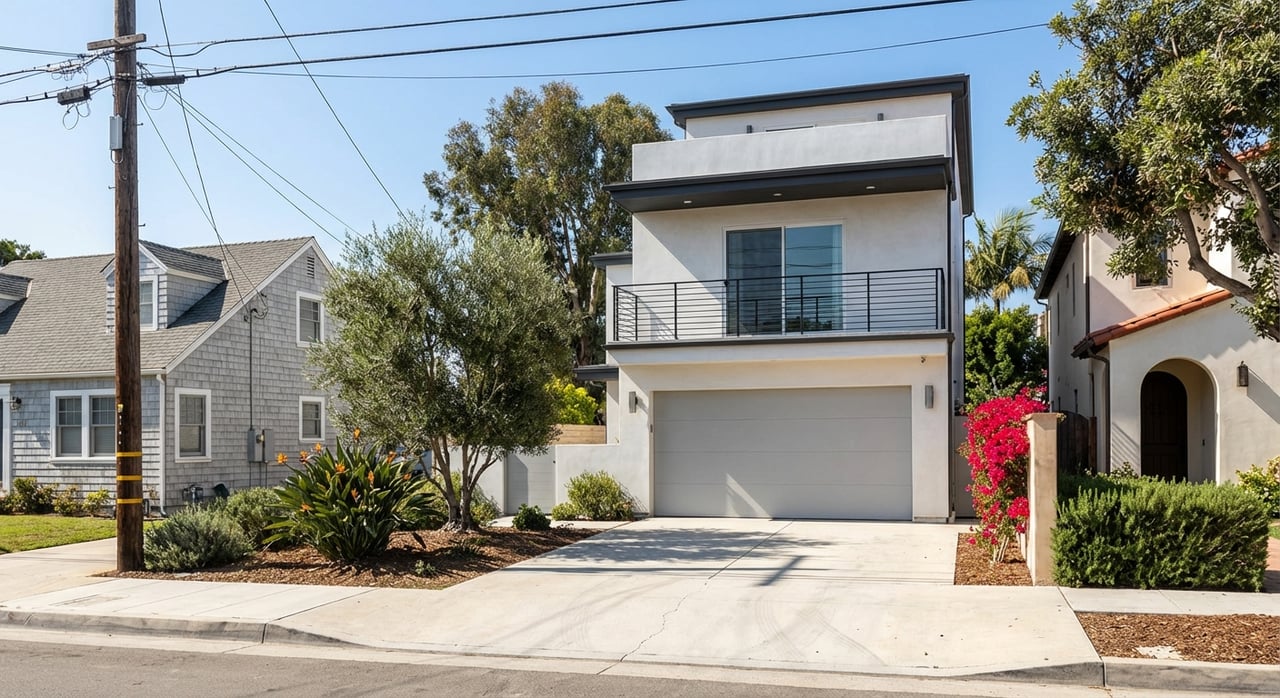
Planning a remodel near the beach or eyeing a ground-up build in Manhattan Beach? If your property sits in the coastal zone, a Coastal Development Permit could be the make-or-break step that shapes your design, timeline, and budget. You want clarity, not surprises, before you commit to plans or contractors. In this guide, you’ll learn when a CDP is required, what may be exempt, how the process works, typical timelines and costs, and practical steps to move forward with confidence. Let’s dive in.
What a CDP covers
A Coastal Development Permit is required for most “development” within California’s coastal zone under the California Coastal Act. Development is defined broadly. It includes new construction, demolition, grading, shoreline protection, and changes that increase a property’s intensity of use.
In practice, you should expect that exterior changes, additions, and site work in the coastal zone often need a CDP. Interior-only work that does not alter the exterior, footprint, structure, or use may be exempt, but you should still confirm before you start.
Who issues CDPs locally
Many coastal cities use a Local Coastal Program to process CDPs. Where a city has a certified program, it typically issues CDPs for projects that meet its standards. The California Coastal Commission retains appeal and enforcement authority.
For Manhattan Beach, you should verify whether the City or the Coastal Commission will process your specific project. City Planning staff and the Commission can confirm your property’s location in the coastal zone, whether it is in an appeal area, and which agency will take the lead.
Projects that trigger a CDP
These common project types in Manhattan Beach typically require a CDP when located in the coastal zone:
- New single-family homes or accessory dwelling units.
- Additions that increase floor area, change the footprint, or alter exterior elevations.
- New decks, balconies, roof decks, or exterior stairways.
- Structural changes to street-facing facades or projects that could affect public views or access.
- Seawalls, revetments, bulkheads, groins, or other shoreline protection.
- Significant grading, excavation, retaining walls, or lot recontouring.
- Demolition and reconstruction, especially if size or use changes.
- New or expanded driveways, curb cuts, or parking in coastal setback areas.
- Changes in intensity of use, such as converting a home to multiple units or changing from residential to commercial.
Work that may be exempt
Some work can be exempt or treated as maintenance and repair. Always confirm with City Planning before you proceed:
- Interior-only remodels that do not change the exterior, footprint, structure, or use.
- Minor exterior maintenance and repairs that do not expand or move a structure and do not affect public access or coastal resources, such as painting or limited roof shingle replacement.
- Emergency repairs to protect life or property. These require documentation and a follow-up permit filing.
- Small, clearly ministerial items explicitly exempted by local standards. You must verify applicability for your specific scope.
Manhattan Beach coastal priorities
Local coastal standards emphasize public access and view protection. Projects that could block shoreline views or reduce access receive special scrutiny. If your design introduces height, massing, or facade changes visible from the public right of way, expect careful review.
Shoreline armoring is tightly regulated. New seawalls or similar protection devices are difficult to approve unless no feasible alternative exists. Repair or modification of existing armoring has distinct standards.
Sea-level rise and coastal hazards also matter. If you are near the shore or any bluff-like condition, you may need geotechnical studies and hazard setbacks. These requirements can influence where and how you build.
How the CDP process works
The permitting path is project-specific, but the typical steps look like this:
- Confirm coastal zone status and lead agency. Determine if the City or the California Coastal Commission will process your CDP.
- Schedule a pre-application meeting. Review Local Coastal Program standards, setbacks, view and access considerations, and potential hazards with City Planning.
- Assemble application materials. These often include a site plan, floor plans, elevations, landscape and drainage plans, grading plan, photos, legal descriptions, and application fees. Depending on location, add a geotechnical report and a coastal hazards or sea-level-rise assessment.
- Submit your application. The City completes a completeness check and conducts CEQA screening. If impacts are significant, additional studies or an environmental impact report may be required.
- Staff review and public notice. Revisions are common. Discretionary projects usually require a Planning Commission or City Council hearing.
- Decision and appeal window. If the City approves, a defined appeal period follows during which the Coastal Commission may accept an appeal.
- Finalize and move to building permits. If there is no appeal, the local CDP becomes final. If appealed, the Commission will schedule a hearing and may approve, modify, or deny the project.
Typical timelines
Your timeline depends on scope, location, and whether appeals become involved:
- Interior-only or clearly exempt work: days to a few weeks.
- Typical local CDP for modest additions, new decks, or ADUs: about 2 to 6 months including review, revisions, and hearings.
- Projects with CEQA review or complex design: roughly 4 to 12 months or longer.
- Projects appealed to the Coastal Commission or processed by the Commission from the start: about 6 to 18 months or longer.
- Emergency permits can move faster, but you must follow with documentation and a permit filing.
CEQA, appeals, and enforcement
Most CDP applications go through CEQA screening. If significant impacts are identified, you may need further study or a full environmental impact report, which adds cost and time.
Local CDP approvals are often appealable to the California Coastal Commission for a limited period. If appealed, the Commission conducts its own review and may approve, condition, or deny the project. Plan for this possibility if your property is near the shoreline, in an appeal area, or involves view or access issues.
Starting work without a required CDP risks stop-work orders, civil penalties, and orders to remove or remediate unpermitted work. Both the City and the Commission can enforce.
Costs to plan for
Permitting introduces both direct and indirect costs. Budget for:
- Planning and permit fees.
- Consultant costs, which may include architecture, structural engineering, geotechnical and coastal engineering, and environmental studies.
- Extended timelines that add soft costs for design iterations, hearings, and appeals.
Modest remodels often add a few thousand dollars in planning, permit, and consultant costs. Shoreline or hazard-area projects can require tens of thousands for studies, coordination, and potential hearings. Your actual costs will depend on scope and site conditions.
Smart risk management steps
Reduce surprises and keep your project on track with these moves:
- Get early confirmation from City Planning on whether a CDP is required and who processes it.
- Hold a pre-application meeting to review setbacks, views, access, and potential hazards.
- Hire local professionals who know Manhattan Beach and Coastal Commission expectations, including a coastal planner, architect, and, if relevant, geotechnical or coastal engineers.
- Build time for CEQA review, public notice, and potential appeals into your schedule.
- Expect elevated review for any shoreline protection. Coordinate early if you think armoring might be needed.
Tips for buyers and sellers
If you are buying in Manhattan Beach, check whether the home sits in the coastal zone and whether any past work needed a CDP. Ask about permits pulled for decks, additions, or facade changes. If you plan to remodel, factor CDP timelines into your move-in schedule and cost model.
If you are selling, gather your permit history and any coastal approvals in advance. Clear documentation builds buyer confidence and avoids last-minute issues with appraisals or insurance. If you are considering improvements pre-sale, confirm whether a CDP is needed before you start work.
Investors should evaluate CDP exposure alongside rental strategy or redevelopment plans. Changes in intensity of use, parking modifications, and exterior upgrades often require careful planning and may prompt hearings or appeals.
Manhattan Beach CDP checklist
Use this quick-start list to organize your next steps:
- Confirm whether your property is in the coastal zone and whether it is in an appeal area.
- Ask City Planning who will process your CDP: the City or the Coastal Commission.
- Book a pre-application meeting to review LCP standards, views, access, and hazards.
- Draft concept plans early to test height, setback, and footprint limits.
- Line up required reports: geotechnical and coastal hazards assessments if near the shore or any bluff condition.
- Prepare application materials: site plan, floor plans, elevations, landscape and drainage plans, photos, legal descriptions, and fees.
- Plan your schedule with a realistic window for review, possible revisions, and a hearing.
- Budget for consultants and potential environmental studies under CEQA.
- Anticipate an appeal if your project is close to the shoreline or affects views or access.
Final thoughts and next steps
The Coastal Act is designed to protect public access, views, and coastal resources, which is why most exterior work in the coastal zone requires a careful review. With early planning and the right team, you can streamline approvals and shape a project that meets both your goals and Manhattan Beach’s coastal standards.
If you want help mapping requirements to your property and timeline, reach out to a local team that understands both the neighborhood and the process. For tailored guidance on strategy, scope, and timing for your remodel or new build, connect with Gauss Real Estate Group (Alex Gauss). Let’s start the conversation today.
FAQs
Do interior remodels in Manhattan Beach need a Coastal Development Permit?
- Interior-only work that does not change the exterior, footprint, structure, or use is often exempt, but you should always confirm with City Planning.
What types of projects almost always require a CDP in the coastal zone?
- New homes or ADUs, additions that increase floor area or alter exteriors, decks or roof decks, grading and retaining walls, shoreline protection, and use changes commonly trigger a CDP.
How long does a typical Manhattan Beach CDP take?
- Modest projects often take 2 to 6 months, complex or CEQA-heavy projects 4 to 12 months, and Commission-involved or appealed projects 6 to 18 months or more.
Can I appeal a City-approved CDP in Manhattan Beach?
- Yes. Local CDP approvals are often appealable to the California Coastal Commission within a set period; confirm the current appeal window with the City and the Commission.
What happens if I build without a required CDP?
- You risk stop-work orders, civil penalties, and orders to remove or remediate unpermitted work; both the City and the Coastal Commission can enforce.
Do fences, walls, or landscaping need a CDP near the coast?
- They can if they affect public views or access, bluff stability, or fall within setback zones; height and location limits in local coastal standards apply.
Will I need geotechnical or coastal hazard studies for my project?
- If your site is near the shoreline or a bluff condition, expect geotechnical analysis and a coastal hazards or sea-level-rise assessment as part of your submittal.