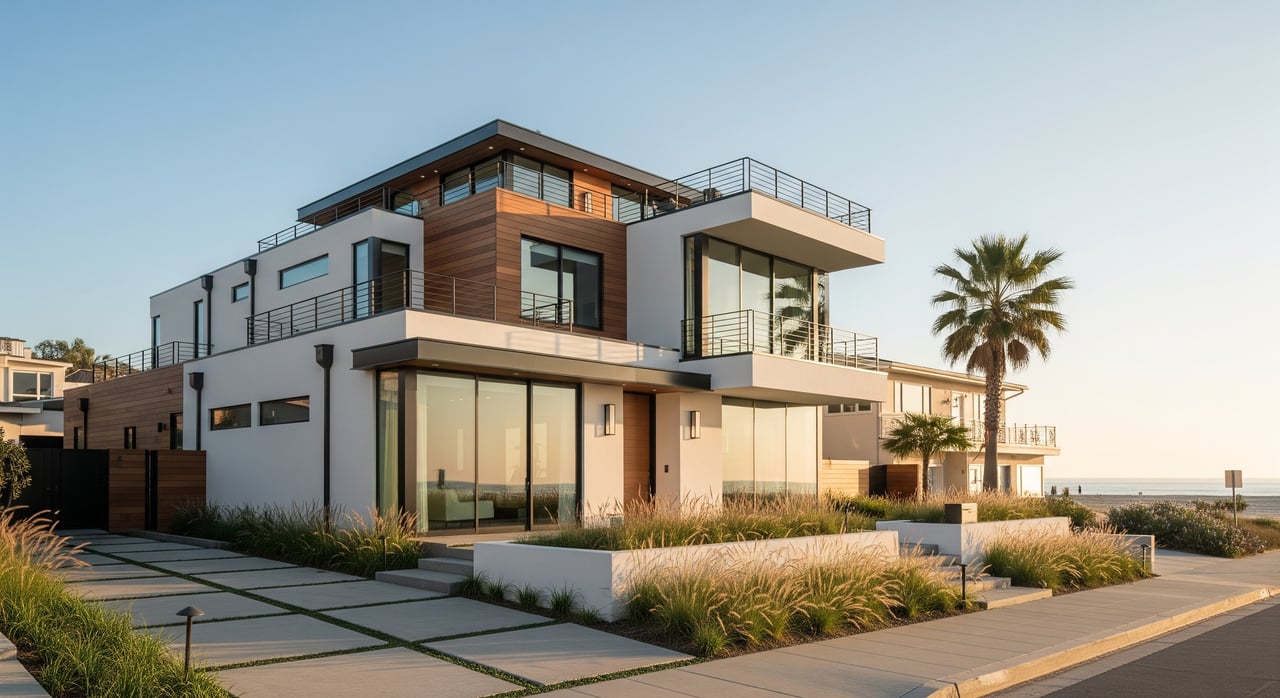
Clear Manhattan Beach FAR Rules and Lot Coverage Insights
December 4, 2025
December 4, 2025
Staring at a property in Manhattan Beach and wondering how big you can build? You are not alone. Whether you are buying for potential, planning a remodel, or prepping to sell, two rules shape your options: Floor Area Ratio (FAR) and lot coverage. This guide explains what each means, how they work in Manhattan Beach, and how to run quick math so you make smart decisions without surprises. Let’s dive in.
Floor Area Ratio (FAR) is the total interior floor area you can build compared to your lot size. Think of it as a cap on usable interior square footage. The formula is simple: total gross floor area of all floors divided by lot area. Local rules define what counts toward floor area, so features like garages, basements, balconies, or mechanical rooms may be included or excluded by definition.
Lot coverage limits how much of the ground you can cover with roofed structures. It is the building footprint divided by the lot area, often shown as a percentage. It typically includes the main building plus covered porches or patios, and sometimes accessory structures. Uncovered decks or permeable surfaces are often excluded, but always check local definitions.
FAR and lot coverage do not work in a vacuum. Height limits constrain vertical expansion. Setbacks define how close you can build to property lines. Open space, landscaped area, impermeable surface limits, and parking requirements can shape your layout and where a garage or driveway can go. You must satisfy both FAR and lot coverage at the same time.
Start by confirming your zoning and then pull the actual standards that apply. The City’s Planning Division publishes zoning materials, process guides, and contact information, which is your first stop for parcel-specific questions. You can read the official standards and definitions in the Manhattan Beach Municipal Code, which details FAR, lot coverage, setbacks, height limits, and what is counted or excluded in calculations.
Parts of Manhattan Beach are in the Coastal Zone. If your lot is inside that boundary, you may need a coastal review or a Coastal Development Permit. That can turn a by-right project into a discretionary one with public notice and longer timelines. Learn more about coastal oversight from the California Coastal Commission, and verify local requirements with City staff.
Accessory Dwelling Units (ADUs) are guided by state law, which requires a streamlined, ministerial review in many cases. How an ADU’s square footage interacts with FAR and lot coverage depends on local code language and current City ordinances. For statewide context, see the California Department of Housing and Community Development’s ADU resources, then confirm the latest local rules with Planning.
A few simple calculations help you size up potential fast. These examples illustrate the method only; always verify what spaces count per the City’s definitions.
Remember, you can meet FAR but still exceed lot coverage, or the reverse. Both must comply, and height and setback rules still apply.
If you are shopping for a home with expansion in mind, use this simple sequence:
Two key checks beyond the numbers:
Even when your FAR suggests more room, height caps and setbacks can restrict a second story or push additions away from property lines. Lot coverage can pinch footprint growth, especially when you add a covered porch or an attached garage. Coastal Zone projects often require discretionary reviews and longer timelines.
Start with an intake meeting or a pre-application review with the Planning Division. A local architect who works in Manhattan Beach and understands coastal permitting is invaluable. Use a licensed surveyor early to confirm lot lines and setbacks. For clarity on building standards versus zoning, consult the state’s Building Standards Commission at the California Department of General Services.
Square footage is a major value driver. In Manhattan Beach, permitted gross living area near the maximum allowed by code can be a strong selling point. At the same time, buyers pay close attention to outdoor living, privacy, and yard usability. Lower lot coverage can support better outdoor spaces, which often draws a premium.
Be transparent about what is permitted versus as-built. Unpermitted additions create risk and can reduce offers or delay closings. Documented, permitted floor area and approved ADUs can make your listing easier to underwrite and more attractive to buyers who want function without extra permit work.
By-right building permits can move in weeks to a few months if the submittal is complete and the scope is straightforward. Discretionary approvals such as design review, variances, or coastal permits can take several months to over a year. Coastal appeals and design revisions can extend timelines, so build that into your plan.
Use this quick list to get oriented, whether you are buying, remodeling, or preparing to sell:
If you want a clear read on build potential or resale positioning for a specific Manhattan Beach property, we are here to help. For confidential guidance and a plan tailored to your goals, connect with Gauss Real Estate Group (Alex Gauss). Let’s start the conversation today.
Stay up to date on the latest real estate trends.




Real estate is more than a transaction, it’s a journey. With a sharp eye for detail and a strategic approach, Alexandra Gauss ensures every move is smooth, smart, and successful. Let’s start the conversation today!