Lock-And-Leave Living: Manhattan Beach Townhome Guide
July 9, 2026
July 9, 2026
If you want Manhattan Beach access without taking on the full footprint of a detached home, a townhome may be the sweet spot. Many buyers are looking for a home they can enjoy, lock up, and leave with less day-to-day exterior upkeep, but they still want strong finishes, private parking, and a great location. In Manhattan Beach, that combination exists, but it comes in a small, expensive, and highly varied market. This guide will help you understand what townhome living really looks like here, what to watch for, and how to compare it to other options. Let’s dive in.
Manhattan Beach is a premium coastal market across every major property type, and townhomes are no exception. Redfin currently shows a very limited number of townhouses for sale, with a median listing price around $3.29 million. Redfin’s city guide also shows a notable pricing gap between property types, with median townhouse sale prices below single-family homes.
That price difference is one reason townhomes attract attention. According to Redfin’s Manhattan Beach city guide, the median townhouse sale price is $2,065,406 versus $3,853,041 for single-family homes. In a market where beach proximity, views, and finish level can move pricing dramatically, that can create a more accessible path into Manhattan Beach ownership.
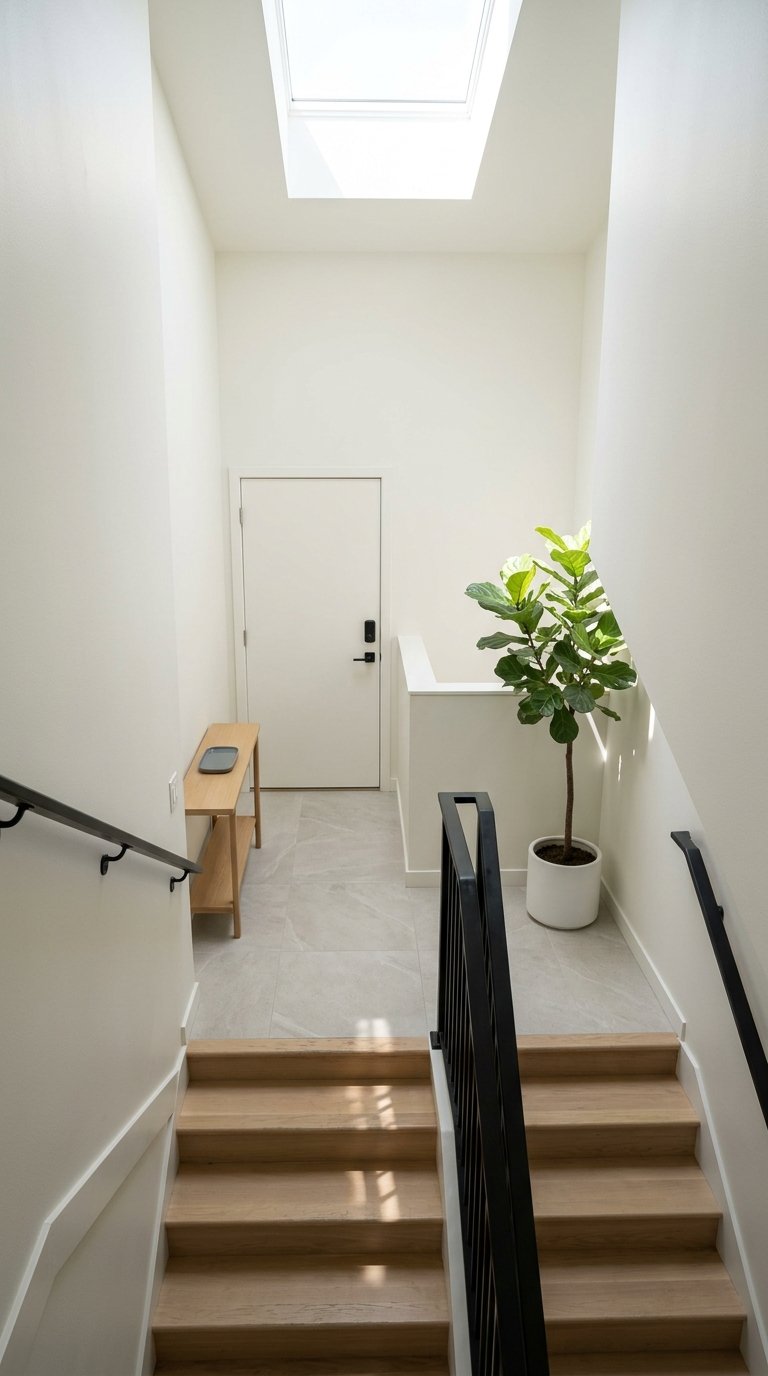
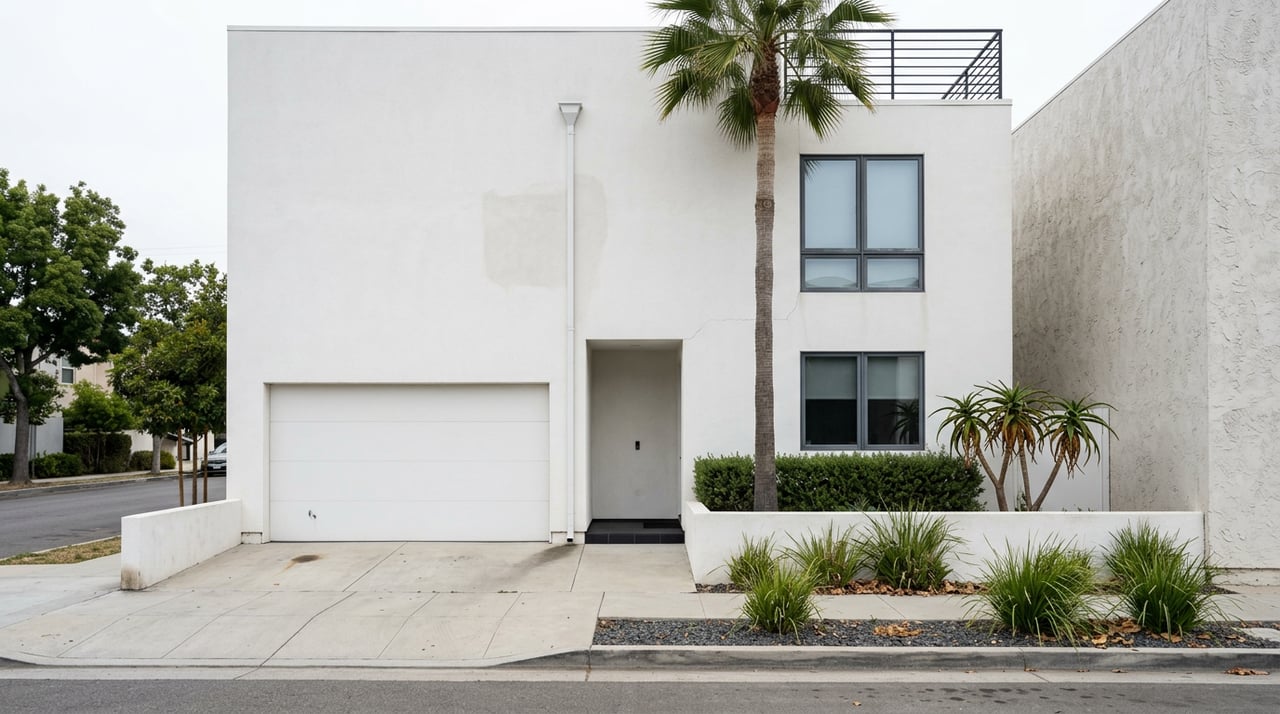
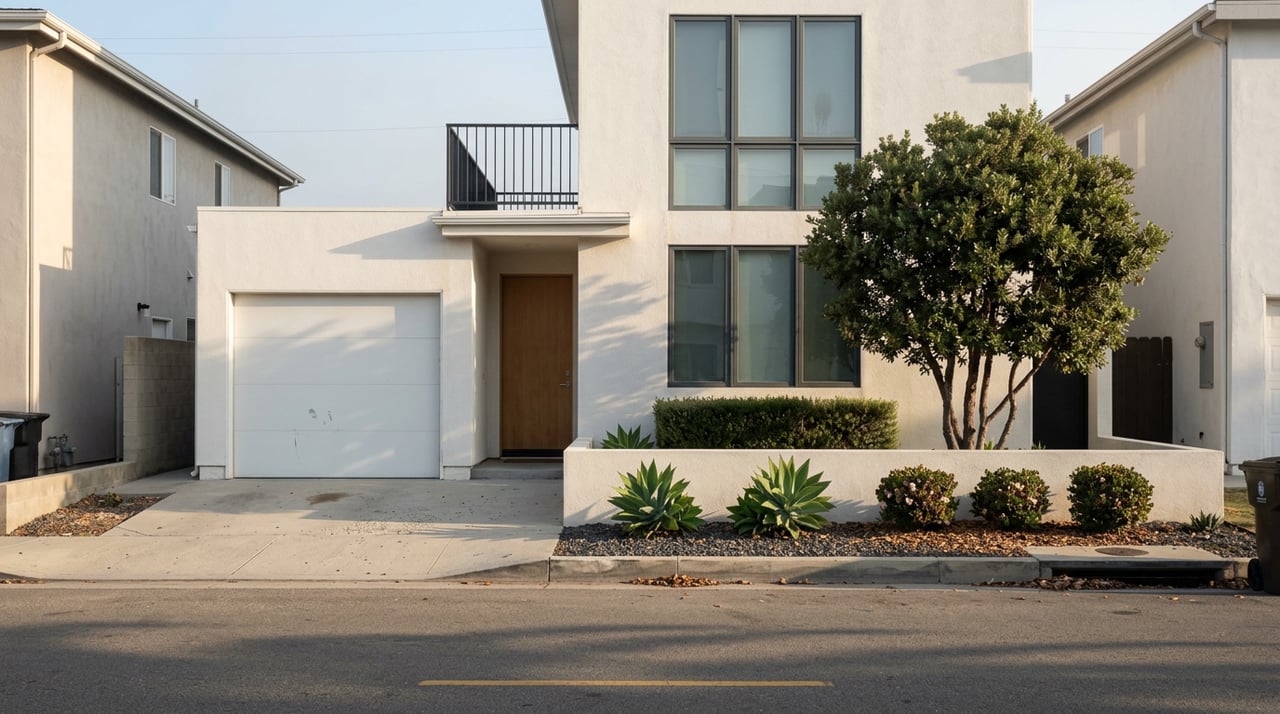
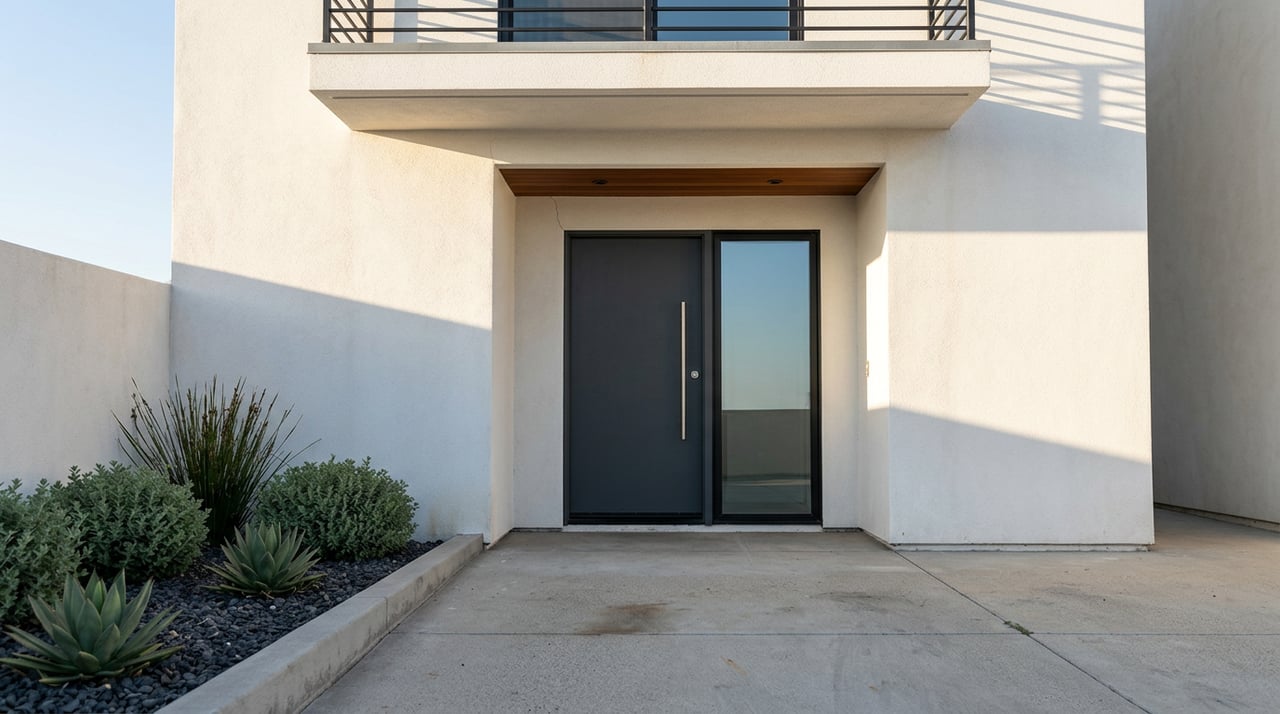
In Manhattan Beach, the word townhome can describe a wide range of homes. Some look and feel like compact condo-style residences, while others live more like vertical single-family homes with larger square footage, multiple outdoor spaces, and private garages. The exterior style alone does not always tell you how the property is legally structured.
That distinction matters in California. The California Department of Real Estate notes that townhouse-like and condo-like homes can exist within a common interest development, where the ownership structure, HOA, and common-area responsibilities may matter more than the label used in marketing. In practical terms, two homes that look similar from the street may come with very different rules, costs, and maintenance obligations.
Current Manhattan Beach examples show just how broad the category can be. At the smaller end, there are two-level condo-style homes around 925 square feet with two parking spaces. At the larger end, there are newer four-bedroom townhomes with features like a three-stop elevator, oversized garage, and extra parking pad.
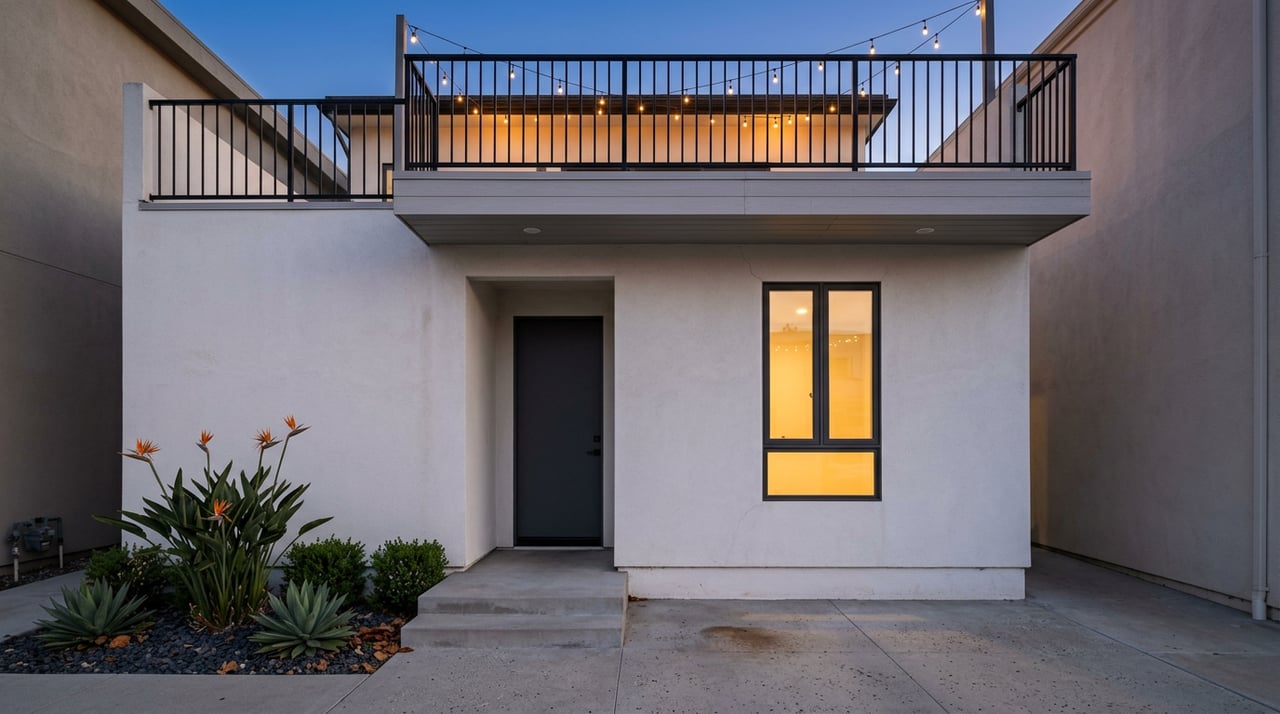
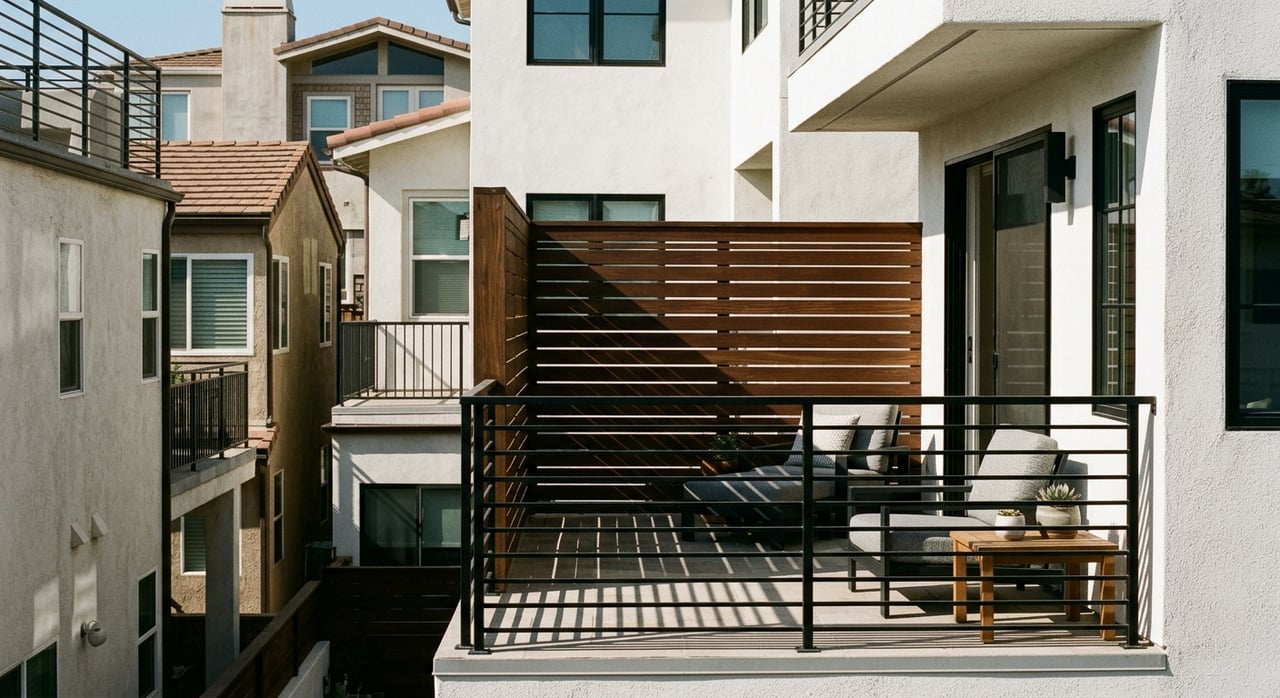
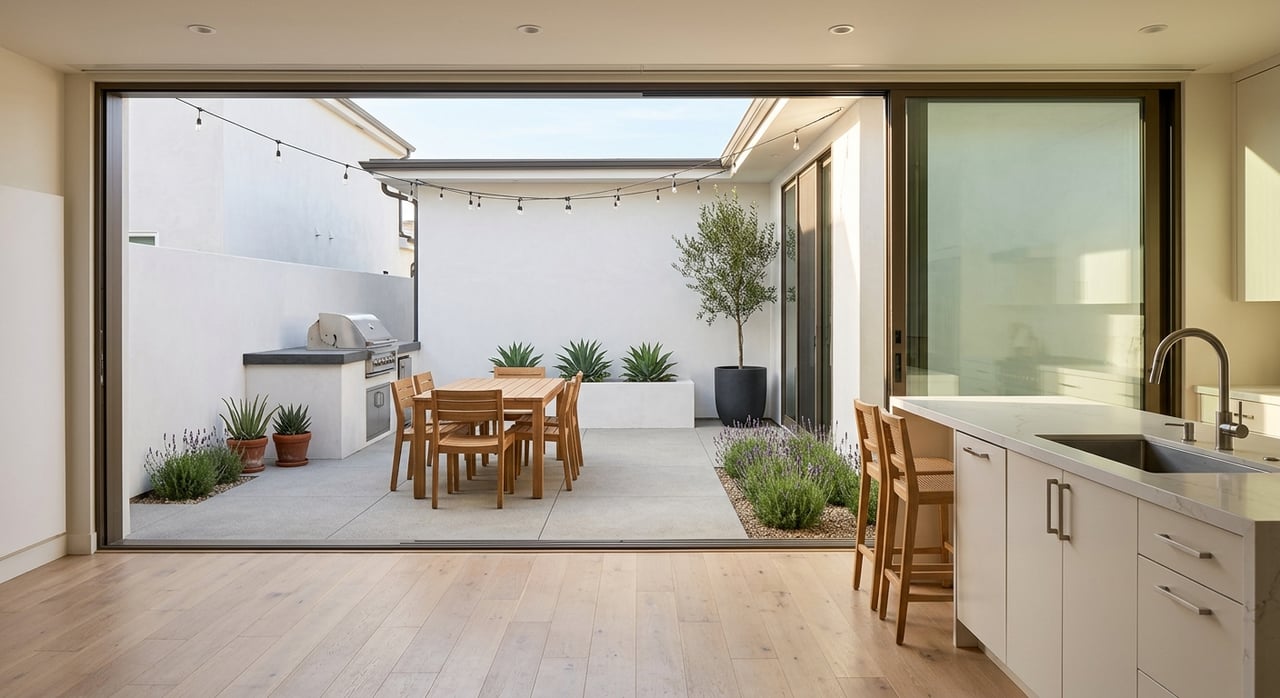
You will also see layouts designed around vertical living. Open main living areas are common, with bedrooms placed above or below the primary entertaining level. Outdoor spaces often include balconies, decks, patios, or viewing decks, which can add real value in a coastal market where indoor-outdoor flow matters.
Not every Manhattan Beach townhome offers the same beach lifestyle. Some properties are about a mile from the beach, while others are described as minutes from the beach and downtown, and some in the sand section offer walk-to-beach access. That range can have a major impact on both price and day-to-day use.
The beach premium is real across the city. Realtor.com neighborhood medians show higher pricing in areas such as the Sand Section compared with other parts of Manhattan Beach. For buyers, that means your budget may stretch very differently depending on whether your top priority is walkability to the sand, access to Downtown Manhattan Beach, or simply getting into the market with a lower-maintenance home.
A townhome can be a strong fit if you want a simpler ownership experience than a detached house. Many buyers are drawn to the idea of less exterior maintenance, a more compact footprint, and an easier routine when traveling for work or spending time away from home. That can be especially appealing in a coastal market where detached homes often come with more land, more systems, and more upkeep.
Manhattan Beach also supports the lock-and-leave lifestyle better than many suburban coastal areas. The city is fairly walkable, and it offers bike parking locations plus Beach Cities Transit connections to nearby beach communities. For some buyers, that adds flexibility beyond what the property itself provides.
If a Manhattan Beach townhome is part of a common interest development, you automatically become a member of the homeowners association when you buy. The California Department of Real Estate describes the HOA as the body that manages the project, and the association may own or control common areas. That can include spaces and features that feel private in daily use.
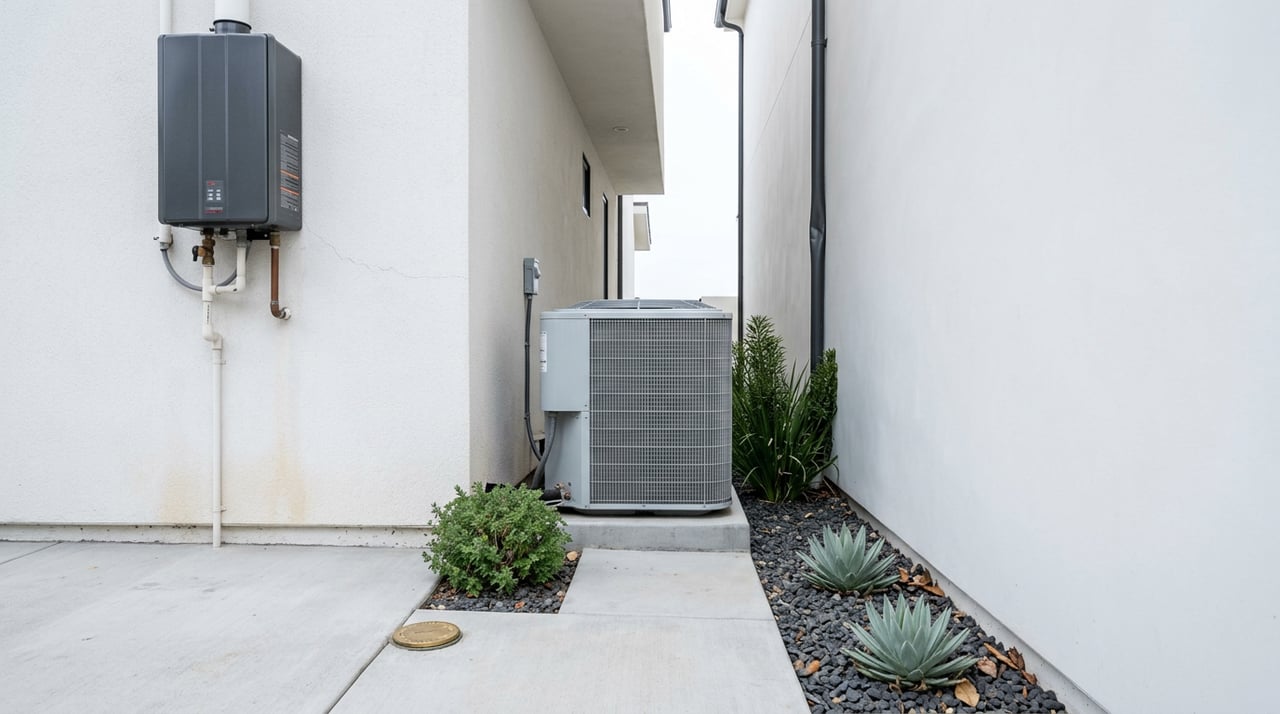
Under California guidance, common area and exclusive-use common area can include parking spaces, driveways, patios, balconies, shutters, windows, and other attached features. So while a home may feel private and self-contained, the governing documents may still control maintenance, alterations, and use. This is one of the biggest reasons a townhome purchase needs careful review before you commit.
Monthly dues are only one part of the ownership picture. California law requires extensive common interest development disclosures before transfer, including governing documents, budget and reserve materials, current and unpaid assessments, fines or penalties, unresolved violation notices, approved assessment changes, rental or lease prohibitions in the CC&Rs, requested board minutes, and the most recent inspection report.
The annual budget report must also summarize key association insurance policies, including property, general liability, earthquake, flood, and fidelity insurance, along with policy limits and deductibles. For condominium projects, the report must also state whether the project is FHA-approved and whether it is VA-approved. Taken together, these documents help you understand not just today’s dues, but the broader financial health and operating realities of the community.
If you are comparing Manhattan Beach townhomes, it helps to review each property with a clear checklist. A beautiful finish package can be easy to spot, but the more important long-term issues often sit in the documents and parking details.
Ask about:
Parking can be one of the most important value drivers for lock-and-leave buyers in Manhattan Beach. The city has a substantial public parking system with 12 parking lots and more than 1,400 spaces, but it is also tightly managed. Parking meters are always in effect unless otherwise posted, and public parking should not be treated as a substitute for secure, reliable at-home parking.
The city also makes clear that some parking pads in the Sand, Dune, and Tree sections are public right-of-way spaces, not reserved private parking. They remain subject to the same street-parking rules, including the 72-hour limit. That matters if you are touring a home and trying to understand whether the apparent extra parking is actually part of the property.
Current city parking standards also help explain why enclosed parking carries so much value. The parking schedule states that multifamily residential uses, including condominiums, must provide two off-street spaces per unit, with enclosure requirements. In a market where street parking is regulated and beach-close areas can feel tight, a private garage or clearly deeded parking space is often far more useful than relying on public or right-of-way options.
There is an overnight residential parking permit program for certain beach lots, including the Upper Pier Lots, the 26th Street Lot at Bruce’s Beach, and the El Porto Lot. The city says permits cost $30 for three months, with up to two permits per address, valid from 6:00 p.m. to 8:00 a.m. These permits are not valid for street parking, so they are a limited tool, not a replacement for good in-home parking.
For some buyers, the real question is not whether a townhome works, but whether it works better than a detached home. In Manhattan Beach, that often comes down to trade-offs between price, maintenance, privacy, parking, and storage. A townhome may offer a lower-maintenance lifestyle and a lower entry point than a single-family home, but it may also come with shared governance and less control.
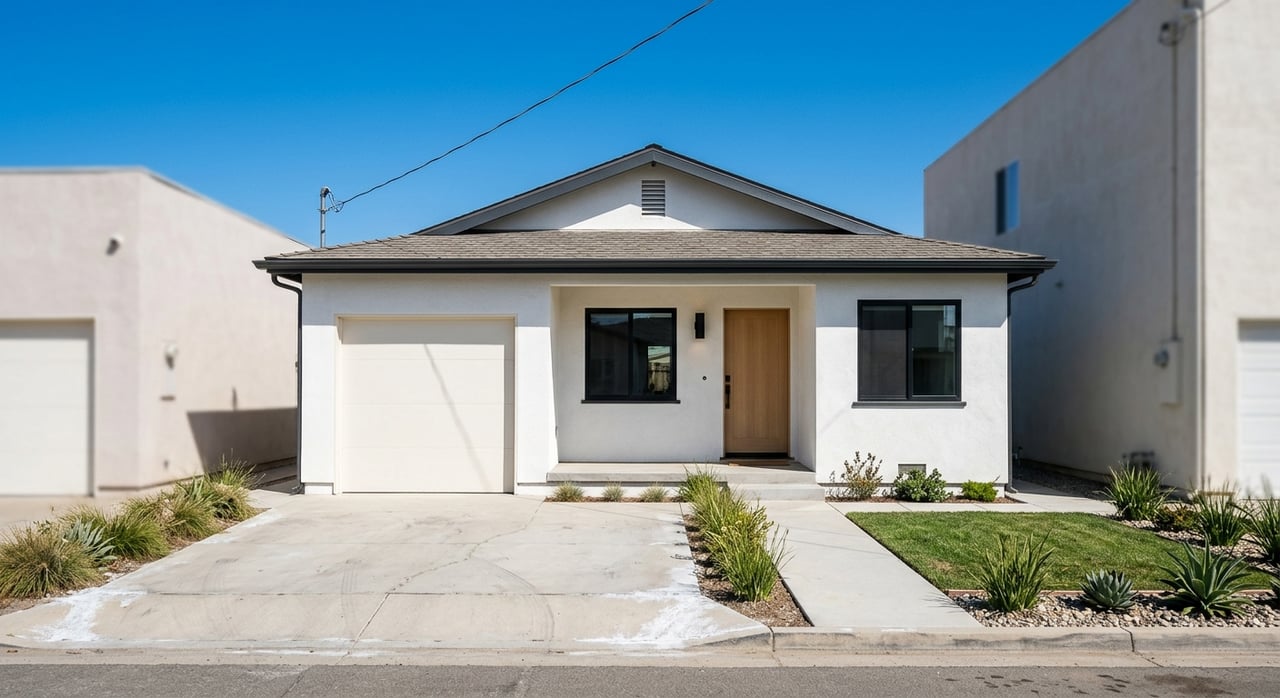
Detached homes are often the stronger fit if you want more land, more separation from neighbors, and more freedom around the property. They can also offer stronger parking packages. Manhattan Beach examples include single-family homes with an attached two-car garage plus additional driveway parking, which can be a meaningful advantage for households with multiple cars, guests, or gear.
Townhomes and condo-style homes often appeal to buyers who value convenience and location over lot size. That can include busy professionals, downsizers, and out-of-market buyers who want an easier lock-up-and-go routine. In Manhattan Beach, they can also make sense for buyers who want to prioritize proximity to the beach or downtown without stretching into the price tier of a comparable detached home.
The key is to match the product to your real lifestyle. If you travel often, want less exterior maintenance, and care deeply about secure parking and coastal access, a townhome may check the right boxes. If you need more storage, more privacy, or more autonomy over the property, you may be happier waiting for the right single-family option.
A good townhome purchase in Manhattan Beach is rarely just about square footage. It is about understanding the building, the documents, the parking, the location, and how all of those pieces support the way you actually live. If you want help comparing options, reviewing trade-offs, and finding the right lock-and-leave fit in the South Bay, Gauss Real Estate Group (Alex Gauss) can help you navigate the details with clarity and confidence.
Stay up to date on the latest real estate trends.
Real estate is more than a transaction, it’s a journey. With a sharp eye for detail and a strategic approach, Alexandra Gauss ensures every move is smooth, smart, and successful. Let’s start the conversation today!